
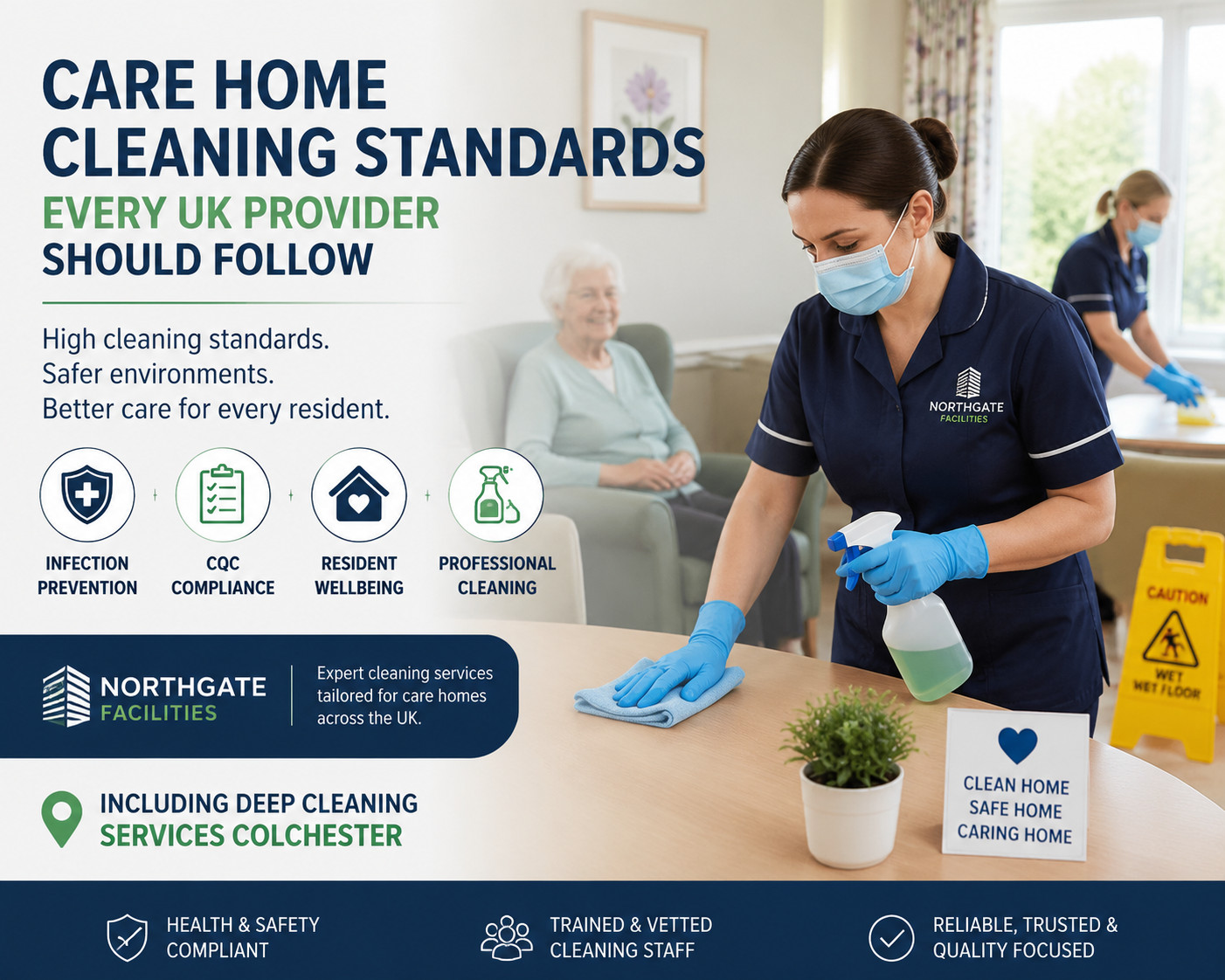
Providing excellent care goes far beyond offering medical support and comfortable accommodation. A clean, hygienic environment is one of the most important factors in protecting the health, dignity and wellbeing of care home residents. Older adults and vulnerable individuals often have weakened immune systems, making them more susceptible to infections that can spread rapidly if cleaning standards are not maintained.
Across the UK, care home providers are expected to meet strict hygiene requirements set by regulatory bodies while creating a welcoming environment that feels like home. Clean bedrooms, sanitised communal areas, hygienic kitchens and spotless washrooms all contribute to better health outcomes and improved resident satisfaction. Professional cleaning also supports staff by creating safer workplaces and helping providers remain compliant during inspections.
For organisations seeking Deep Cleaning Services Colchester, choosing an experienced commercial cleaning company can make a significant difference. Northgate Facilities understands the unique challenges faced by care homes and delivers professional cleaning solutions designed to support infection prevention, regulatory compliance and resident wellbeing.
Why Cleaning Standards Matter in UK Care Homes
Care homes differ from many other commercial environments because they combine healthcare, residential living and hospitality under one roof. Residents spend most of their time indoors, interacting with carers, visitors and fellow residents throughout the day. This constant movement increases the possibility of germs spreading through frequently touched surfaces.
Maintaining high cleaning standards helps reduce healthcare-associated infections while improving the overall quality of life for residents. Clean surroundings also create confidence among families, staff and healthcare professionals who expect care homes to provide safe and hygienic living conditions.
Poor cleaning practices can result in unpleasant odours, increased illness, staff absences and negative inspection outcomes. In severe cases, inadequate hygiene can place residents at serious risk and damage the reputation of the care provider.
Understanding UK Care Home Cleaning Regulations
Every UK care home operates within a framework of health and safety legislation and regulatory expectations. Organisations such as the Care Quality Commission (CQC) in England assess whether providers deliver safe, effective and responsive care. Cleanliness plays a significant role during inspections because it directly affects resident safety.
Professional cleaning programmes help providers demonstrate that they have appropriate systems for infection prevention and environmental hygiene. Maintaining documented cleaning schedules, using approved cleaning products and ensuring staff receive proper training all contribute to regulatory compliance.
Health and safety legislation also requires employers to protect workers from hazardous substances, maintain safe working environments and reduce risks associated with cleaning chemicals. Proper procedures ensure that both residents and employees remain protected throughout daily operations.
H2: Infection Prevention Must Always Be the Priority
Preventing infection is one of the primary objectives of any care home cleaning programme. Viruses, bacteria and fungi can survive on surfaces for extended periods, particularly in high-traffic areas where residents and staff regularly interact.
Routine cleaning removes visible dirt, while effective disinfection destroys harmful microorganisms that may otherwise spread illness throughout the building. High-touch surfaces require particular attention because they are handled repeatedly throughout the day.
High-Touch Areas Require Frequent Cleaning
Door handles, handrails, lift buttons, light switches, dining tables, nurse stations and shared equipment should be cleaned and disinfected several times daily depending on usage. These areas are among the most common points where infections can spread between residents and staff.
Cleaning teams should follow structured schedules that ensure no critical areas are overlooked. Colour-coded cleaning equipment can also reduce the risk of cross-contamination between bathrooms, kitchens and resident bedrooms.
Isolation Rooms Demand Enhanced Procedures
When residents experience infectious illnesses, isolation procedures become essential. Dedicated cleaning equipment should be used within affected rooms to minimise contamination elsewhere in the building.
Professional cleaners understand the importance of following enhanced infection control protocols, including appropriate personal protective equipment, correct disinfectant contact times and safe waste disposal.
H2: Resident Bedrooms Should Feel Safe, Clean and Comfortable
Bedrooms are personal living spaces rather than temporary accommodation. Residents spend a significant portion of their day in their rooms, making cleanliness essential for both physical health and emotional wellbeing.
Regular cleaning should include dust removal, vacuuming, sanitising furniture, cleaning windows where appropriate and disinfecting frequently touched surfaces. Bedding should be changed according to care plans or immediately when contamination occurs.
Mattresses, bed frames, wardrobes and bedside cabinets should also receive routine deep cleaning to prevent the accumulation of bacteria, allergens and dust.
For providers investing in Deep Cleaning Services Colchester, scheduled deep cleans help maintain consistently high standards while extending the lifespan of furnishings and flooring.
H2: Washroom Hygiene Protects Resident Health
Bathrooms present one of the highest infection risks within any care home. Warm, damp environments encourage bacterial growth if cleaning is not carried out thoroughly and consistently.
Toilets, sinks, showers and grab rails require regular disinfection throughout the day. Floors should remain clean and dry to minimise slip hazards while preventing mould development.
Professional cleaning teams use specialist products that remove limescale, eliminate harmful bacteria and leave washrooms fresh without exposing residents to unnecessarily harsh chemicals.
Maintaining excellent washroom hygiene also supports resident dignity, particularly for individuals requiring personal care assistance.
H2: Dining Areas and Kitchens Need Exceptional Cleanliness
Nutrition plays a crucial role in supporting older adults, making food hygiene another essential aspect of care home cleaning.
Dining rooms should be cleaned before and after every meal service. Tables, chairs and serving stations need careful sanitisation to reduce contamination risks while creating pleasant spaces where residents can enjoy their meals comfortably.
Kitchen cleaning requires strict attention to food safety standards. Worktops, cooking equipment, refrigeration units and food preparation areas should be cleaned using appropriate methods that prevent cross-contamination.
Waste management also contributes to kitchen hygiene. Refuse should be removed promptly, bins disinfected regularly and storage areas kept clean to discourage pests.
H2: Deep Cleaning Complements Daily Cleaning
Daily cleaning maintains visible cleanliness, but it cannot remove every hidden contaminant. Over time, bacteria, dust and allergens accumulate in carpets, upholstery, ventilation systems and less accessible areas.
This is where professional Deep Cleaning Services Colchester become invaluable. Deep cleaning reaches areas often missed during routine maintenance and restores hygiene standards throughout the property.
Deep cleaning may include carpet extraction, floor machine cleaning, upholstery sanitation, high-level dust removal, detailed washroom restoration, internal glass cleaning and comprehensive disinfection of communal spaces.
Many UK care homes schedule deep cleaning during quieter periods to minimise disruption while ensuring every part of the facility receives thorough attention. Professional deep cleaning not only improves appearance but also supports infection control strategies and helps care providers maintain a healthier environment for residents, staff and visitors alike.