
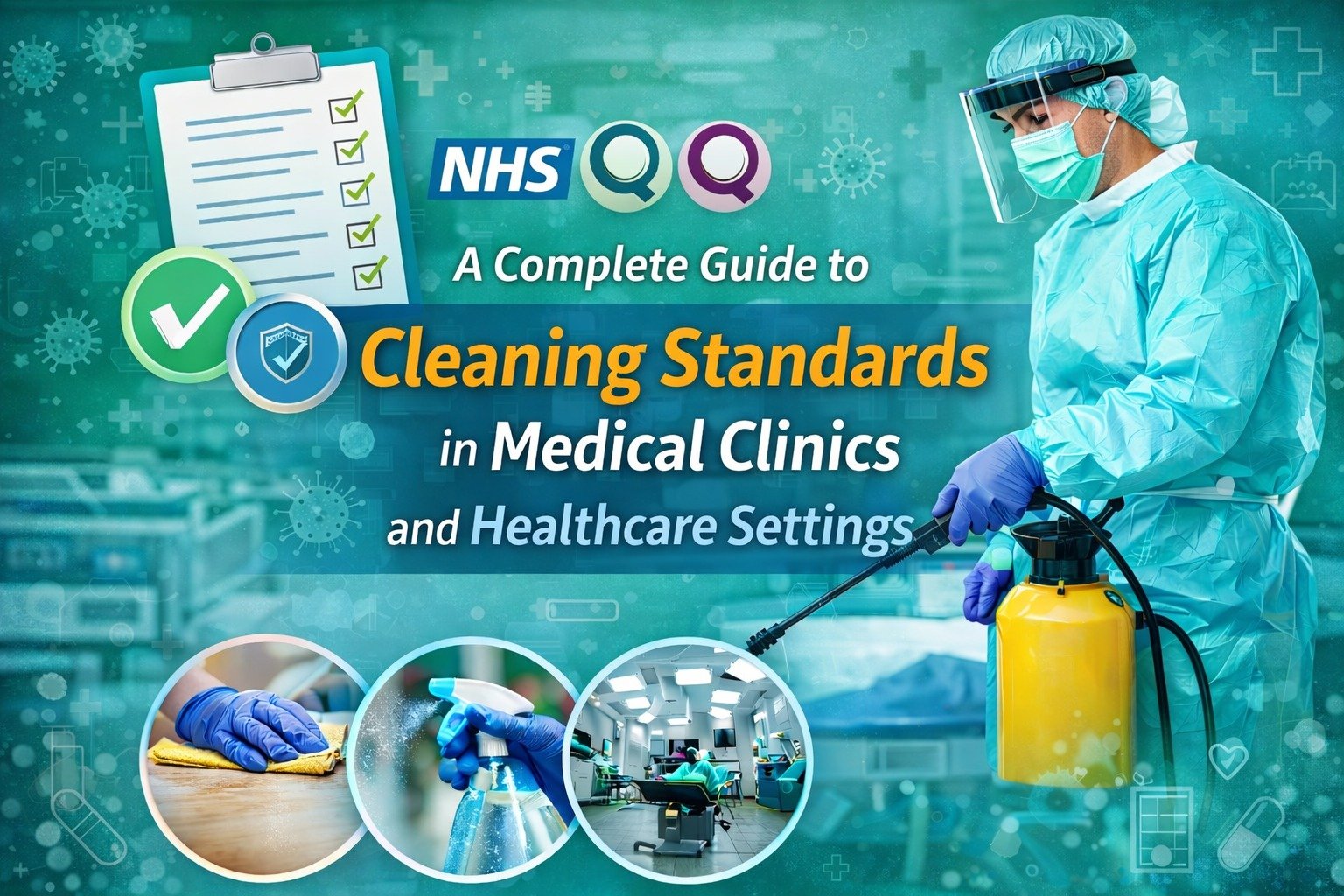
Maintaining high levels of cleanliness in medical clinics and healthcare settings is essential to protect patients, staff, and visitors from harmful pathogens. Healthcare facilities often host individuals with varying immunity, making infection prevention critical. Poor cleaning standards can result in hospital-acquired infections, increased medical costs, and compromised safety. This guide provides a comprehensive overview of cleaning standards, protocols, and best practices to help healthcare providers maintain a safe and hygienic environment. By following these standards, clinics can ensure compliance with regulations and enhance patient confidence in their services.
Understanding Cleaning Standards in Healthcare
Cleaning standards in healthcare settings are structured protocols designed to maintain hygiene, prevent infection, and ensure a safe environment for patients and staff. These standards are guided by organizations such as the CDC, WHO, and local health authorities, which provide detailed regulations for different types of healthcare facilities. Adhering to these protocols helps clinics comply with legal requirements and industry best practices. Proper cleaning standards cover everything from routine surface cleaning to sterilization of medical instruments. Consistency and documentation are key, ensuring every procedure is performed correctly. Following these standards ensures that healthcare settings remain safe and trustworthy for everyone.
Types of Cleaning in Healthcare Facilities
Healthcare facilities implement various types of cleaning to ensure overall hygiene. Routine cleaning involves daily sanitation of floors, surfaces, and high-touch areas to reduce contamination risks. Enhanced cleaning may target specific zones or high-traffic areas, often using stronger disinfectants. Terminal and deep cleaning are performed periodically or after patient discharge, renovations, or contamination events, ensuring complete hygiene restoration. Disinfection focuses on eliminating harmful microorganisms, while sterilization completely removes all pathogens from instruments. Using the right type of cleaning at the right time is critical for preventing infections and maintaining safe healthcare environments.
Infection Control and Prevention
Effective cleaning is a cornerstone of infection control and prevention in medical clinics. High-touch areas such as door handles, bed rails, medical equipment, and waiting room surfaces are common sources of pathogen transmission. Healthcare Cleaning Services focus on reducing the spread of bacteria, viruses, and fungi through rigorous cleaning schedules and proper disinfectants. Identifying high-risk zones and using appropriate cleaning techniques minimizes the likelihood of hospital-acquired infections. Staff also play a vital role in following hygiene protocols and using protective equipment. By maintaining strict infection control, clinics safeguard both patients and healthcare personnel.
Cleaning Protocols and Checklists
Healthcare Cleaning Services rely on structured cleaning protocols and checklists to ensure consistency and accountability. Daily, weekly, and monthly cleaning schedules outline specific tasks and the required cleaning agents. Step-by-step procedures detail how to clean surfaces, dispose of waste, and sanitize equipment effectively. Documentation is essential, as it helps track compliance, highlights areas needing attention, and supports audits. Checklists also serve as reminders for staff to maintain hygiene standards without overlooking any area. By following these protocols, clinics can reduce errors and uphold a high level of cleanliness.
Tools, Equipment, and Cleaning Agents
Healthcare Cleaning Services require specialized tools, equipment, and cleaning agents to be effective. Mops, brushes, microfiber cloths, UV disinfectors, and vacuum systems are commonly used to clean different surfaces. Approved disinfectants, sanitizers, and sterilizing solutions are selected based on the type of pathogen being targeted. Personal protective equipment (PPE) such as gloves, masks, and gowns protect staff from contamination during cleaning. Using the right combination of equipment and agents ensures efficient cleaning while maintaining safety standards. Regular maintenance of tools and proper storage of cleaning agents also supports hygiene goals.
Training and Staff Responsibilities
Proper training and clear responsibilities are essential for successful Healthcare Cleaning Services. Staff must understand hygiene standards, cleaning techniques, and infection control measures. Continuous education ensures personnel are aware of new guidelines, emerging pathogens, and innovative cleaning technologies. Clear divisions between clinical staff and cleaning teams help maintain accountability and reduce contamination risks. Audits and feedback sessions improve performance and adherence to protocols. Investing in well-trained staff ensures that cleaning standards are consistently applied, protecting patients and staff alike.
Challenges in Maintaining Cleaning Standards
Maintaining high cleaning standards in medical clinics comes with several challenges. Budget limitations and staffing shortages can affect the frequency and quality of cleaning. Some staff may resist adhering strictly to protocols, leading to inconsistencies. Emerging pathogens require updated cleaning techniques and new disinfectants, demanding ongoing adaptation. Heavy foot traffic and diverse patient populations can increase contamination risks. Addressing these challenges requires strategic planning, use of technology, staff engagement, and continuous training. Overcoming these obstacles is crucial to ensure safe and hygienic healthcare environments.
Benefits of Strict Cleaning Standards
Adhering to strict cleaning standards provides multiple benefits for healthcare facilities. It significantly reduces infection rates and protects vulnerable patients. High hygiene standards build trust and satisfaction among patients and staff. Compliance with regulatory guidelines minimizes legal risks and potential penalties. Effective cleaning also improves operational efficiency by preventing contamination-related disruptions. By maintaining cleanliness, clinics enhance their reputation as safe, professional, and reliable healthcare providers.
Why Choose Northgate Cleaning Services
Northgate Cleaning Services specializes in delivering comprehensive Healthcare Cleaning Services tailored to medical clinics and healthcare facilities. Their team is trained to follow strict hygiene protocols, ensuring patient safety and compliance with regulatory standards. They use state-of-the-art equipment, approved disinfectants, and structured checklists for every cleaning task. With experience in infection prevention and deep cleaning, Northgate Cleaning Services provides reliable, efficient, and consistent service. Choosing them ensures a hygienic, safe, and welcoming environment for both patients and staff, making them a trusted partner for healthcare facilities.
Comprehensive Healthcare Cleaning Services
Northgate Cleaning Services offers specialized Healthcare Cleaning Services designed specifically for medical clinics, hospitals, and healthcare facilities. They understand the unique hygiene requirements of these environments, from patient rooms to waiting areas and surgical spaces. Their services cover routine cleaning, deep cleaning, disinfection, and sterilization, ensuring that every area meets stringent infection-control standards. By tailoring their approach to each facility, they provide a level of thoroughness that protects patients, staff, and visitors.
Expertly Trained Cleaning Staff
The team at Northgate Cleaning Services is extensively trained in healthcare hygiene protocols and infection control procedures. Staff are skilled in handling medical equipment safely, using disinfectants correctly, and following strict cleaning schedules. Continuous training ensures the team is up-to-date with the latest industry standards and emerging pathogens. This expertise guarantees that cleaning is performed efficiently, effectively, and in compliance with regulatory guidelines.
State-of-the-Art Equipment and Tools
Northgate Cleaning Services uses advanced cleaning equipment such as UV disinfectors, microfiber tools, and high-efficiency vacuum systems to maintain high hygiene standards. Their technology allows for more precise and thorough cleaning, reaching areas that traditional methods might miss. The use of modern tools ensures faster, safer, and more effective cleaning, reducing downtime for clinics while maintaining a sterile environment.
Approved Disinfectants and Cleaning Agents
Using the correct cleaning agents is critical in healthcare settings. Northgate Cleaning Services employs hospital-grade disinfectants approved to eliminate bacteria, viruses, and fungi. They select products specifically suited for different surfaces and infection-control requirements. This careful selection ensures maximum effectiveness while protecting surfaces, staff, and patients from harmful exposure.
Structured Protocols and Checklists
Every cleaning task is guided by structured protocols and detailed checklists. Northgate Cleaning Services maintains consistent standards across all areas of the facility, ensuring no task is overlooked. These checklists help track completed work, maintain accountability, and provide documentation for audits or regulatory inspections. Structured protocols ensure every aspect of hygiene is addressed systematically.
Infection Prevention and Deep Cleaning Expertise
With extensive experience in infection prevention, Northgate Cleaning Services is equipped to handle routine sanitation and complex deep cleaning. They follow best practices for high-risk areas such as operating rooms, patient wards, and laboratories. Their approach minimizes the risk of hospital-acquired infections and creates a safe environment for vulnerable patients.
Reliable and Consistent Service
Northgate Cleaning Services prioritizes reliability and consistency, ensuring that clinics and healthcare facilities receive dependable cleaning support every day. Flexible scheduling, efficient workflows, and professional staff allow healthcare providers to focus on patient care without worrying about hygiene. This consistent service builds trust and ensures facilities always meet the highest cleanliness standards.
Creating a Safe and Welcoming Environment
Beyond cleanliness, Northgate Cleaning Services contributes to a positive patient and staff experience. A hygienic, well-maintained facility promotes confidence, comfort, and safety. From spotless reception areas to sanitized treatment rooms, every aspect of the environment is cared for. Choosing Northgate Cleaning Services means investing in a healthier, safer, and more welcoming healthcare facility.
Conclusion
Maintaining high cleaning standards in medical clinics and healthcare settings is essential for patient safety, staff protection, and regulatory compliance. Implementing structured protocols, using the right tools and disinfectants, and training staff effectively ensures a hygienic and safe environment. Healthcare Cleaning Services play a vital role in minimizing the spread of infections, maintaining trust, and enhancing the overall quality of care. Choosing a reliable partner like Northgate Cleaning Services guarantees consistent, professional, and thorough cleaning tailored to the unique needs of healthcare facilities. By prioritizing cleanliness, clinics can protect lives, reduce risks, and provide a safer, healthier experience for everyone.
FAQs
What areas require daily cleaning in a healthcare facility?
High-touch surfaces like door handles, patient beds, waiting areas, and restrooms need daily cleaning to reduce infection risks.
How often should deep cleaning be performed in clinics?
Deep cleaning is typically conducted after patient discharge, renovations, or periodically, depending on clinic traffic and regulations.
Can proper cleaning prevent hospital-acquired infections?
Yes, effective Healthcare Cleaning Services significantly reduce the risk of infections in clinics and healthcare settings.
What disinfectants are recommended for medical clinics?
Use hospital-grade disinfectants approved for bacteria, viruses, and fungi, following manufacturer guidelines and safety protocols.
How does staff training improve cleaning standards?
Trained staff follow protocols accurately, use the right equipment, and adapt to new guidelines, ensuring consistent hygiene across the facility.