
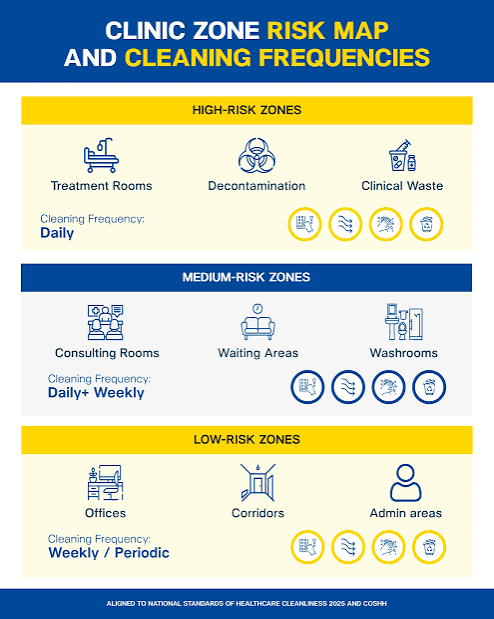
Maintaining a clean medical clinic is about far more than appearance. Every surface, treatment room and waiting area contributes to patient safety, staff wellbeing and regulatory compliance. In healthcare settings, even small lapses in cleanliness can increase the risk of cross-contamination, affect patient confidence and create unnecessary health risks. That is why every successful clinic follows a structured daily cleaning routine rather than relying on occasional deep cleaning.
Whether it is a GP surgery, dental practice, physiotherapy centre, private healthcare facility or specialist clinic, maintaining consistently high hygiene standards should be a priority from the moment the doors open until the last patient leaves. Professional medical clinic cleaning services Essex help healthcare providers maintain these standards while ensuring compliance with UK health and safety requirements.
For clinics across Essex, partnering with an experienced provider such as Northgate Facilities allows healthcare professionals to focus on patient care while trained cleaning specialists manage infection prevention and environmental hygiene. This guide explains the essential daily cleaning checklist every UK medical clinic should follow to create a safe, welcoming and compliant healthcare environment.
Why Daily Cleaning Is Essential in Medical Clinics
Healthcare environments experience constant foot traffic throughout the day. Patients, visitors, doctors, nurses and administrative staff all come into contact with shared spaces, making clinics vulnerable to the spread of bacteria and viruses.
Unlike standard commercial premises, medical facilities must follow much stricter cleaning procedures. Reception desks, treatment couches, consultation rooms, washrooms and waiting areas all require frequent cleaning using healthcare-approved disinfectants and correct cleaning techniques.
Daily cleaning reduces the likelihood of healthcare-associated infections while creating an environment that reassures patients. A visibly clean clinic immediately builds confidence, helping visitors feel comfortable and cared for before their appointment even begins.
Professional medical clinic cleaning services Essex understand these unique healthcare requirements and work according to strict cleaning protocols designed specifically for medical environments.
Understanding UK Healthcare Cleaning Standards
Medical clinics throughout the UK operate within a framework of health and safety regulations designed to protect patients and staff. Cleaning procedures play an important role in meeting these obligations.
Healthcare providers are expected to maintain hygienic premises under legislation such as the Health and Safety at Work Act, COSHH regulations and infection prevention guidance issued by UK health authorities. Cleaning teams must understand the safe handling of chemicals, proper disposal of waste and effective disinfection methods.
Professional cleaning contractors also ensure that cleaning products are suitable for healthcare settings and are used according to manufacturer instructions. This reduces unnecessary chemical exposure while achieving effective infection control.
A structured daily cleaning checklist supports compliance by ensuring no critical areas are overlooked during routine cleaning.
Preparing the Clinic Before Patients Arrive
The working day should begin with a thorough inspection of the entire clinic before patients enter the building.
Reception areas should be dust-free, floors freshly cleaned and entrance doors sanitised. Any overnight waste should be removed before opening hours. Windows and glass doors should be free from fingerprints to maintain a professional appearance.
Treatment rooms require careful preparation before the first appointment. Clinical worktops, examination beds, medical equipment surfaces and frequently touched items should all be disinfected using approved healthcare cleaning products.
Staff kitchens and break rooms also require attention. Worktops, sinks, kettles and shared appliances should be cleaned to maintain hygiene for employees throughout the day.
Starting each day with a fully sanitised environment significantly reduces contamination risks before patient interactions begin.
Reception and Waiting Areas Require Continuous Attention
Reception is often the busiest part of any clinic. Patients regularly touch door handles, reception counters, payment terminals, chairs, pens and sign-in systems.
These high-contact surfaces should be disinfected repeatedly throughout the day rather than only during morning or evening cleaning.
Waiting room seating should be inspected regularly for cleanliness, particularly during periods of high patient turnover. Children's play areas, if present, require even greater attention because toys and shared objects can easily transfer germs between visitors.
Flooring should remain clean and free from dirt tracked in from outside. During wet weather, entrance mats may require frequent replacement or cleaning to reduce slip hazards while maintaining cleanliness.
Professional medical clinic cleaning services Essex often schedule additional daytime cleaning visits for busy healthcare facilities to ensure these public-facing spaces remain hygienic throughout operating hours.
Consultation Rooms Must Be Sanitised Between Every Patient
Consultation rooms represent one of the most critical areas within any medical clinic.
Every patient comes into direct contact with furniture, equipment or examination surfaces during appointments. As a result, cleaning cannot simply take place once each evening.
Examination couches, chairs, diagnostic equipment, keyboards, light switches and work surfaces should all be disinfected after every consultation wherever appropriate.
Disposable coverings should be replaced immediately after use, while reusable equipment must be cleaned according to manufacturer guidance and infection prevention protocols.
Healthcare professionals rely on these consistent cleaning practices to minimise cross-contamination and protect vulnerable patients.
A documented cleaning routine also provides evidence that hygiene procedures are being followed correctly throughout the working day.
Treatment Rooms Demand Enhanced Infection Control
Treatment rooms used for minor procedures, wound care, vaccinations or specialist healthcare require even higher cleaning standards.
Any surface exposed during treatment should be cleaned immediately after each patient. Clinical waste bins should never be allowed to overflow, and sharps containers must be monitored carefully to ensure safe disposal procedures remain effective.
Sinks, taps and handwashing stations should be disinfected regularly because they play a vital role in infection prevention. Soap dispensers and paper towel supplies should also be checked throughout the day to ensure they remain fully stocked.
Proper ventilation within treatment rooms further contributes to maintaining a clean healthcare environment by improving indoor air quality and reducing airborne contaminants.
Northgate Facilities understands these enhanced requirements and delivers healthcare cleaning programmes tailored specifically for clinical treatment environments.
Washroom Hygiene Supports Patient Confidence
Washrooms often influence a visitor's overall impression of a healthcare facility. Even if clinical rooms are spotless, neglected toilets can quickly damage patient trust.
Throughout the day, washrooms should be cleaned and disinfected regularly. Toilets, sinks, taps, flush handles, soap dispensers and door handles require particular attention because they are touched frequently.
Cleaning staff should also ensure that toilet paper, hand soap and disposable towels remain fully stocked. Floors should remain dry to minimise slip risks while supporting overall cleanliness.
Odour control forms another important part of washroom maintenance. A fresh, clean-smelling washroom contributes significantly to the professional image of the clinic.
Professional medical clinic cleaning services Essex include scheduled washroom inspections as part of comprehensive daily healthcare cleaning programmes.
Maintaining a clean medical clinic is about far more than appearance. Every surface, treatment room and waiting area contributes to patient safety, staff wellbeing and regulatory compliance. In healthcare settings, even small lapses in cleanliness can increase the risk of cross-contamination, affect patient confidence and create unnecessary health risks. That is why every successful clinic follows a structured daily cleaning routine rather than relying on occasional deep cleaning.
Whether it is a GP surgery, dental practice, physiotherapy centre, private healthcare facility or specialist clinic, maintaining consistently high hygiene standards should be a priority from the moment the doors open until the last patient leaves. Professional medical clinic cleaning services Essex help healthcare providers maintain these standards while ensuring compliance with UK health and safety requirements.
For clinics across Essex, partnering with an experienced provider such as Northgate Facilities allows healthcare professionals to focus on patient care while trained cleaning specialists manage infection prevention and environmental hygiene. This guide explains the essential daily cleaning checklist every UK medical clinic should follow to create a safe, welcoming and compliant healthcare environment.
Why Daily Cleaning Is Essential in Medical Clinics
Healthcare environments experience constant foot traffic throughout the day. Patients, visitors, doctors, nurses and administrative staff all come into contact with shared spaces, making clinics vulnerable to the spread of bacteria and viruses.
Unlike standard commercial premises, medical facilities must follow much stricter cleaning procedures. Reception desks, treatment couches, consultation rooms, washrooms and waiting areas all require frequent cleaning using healthcare-approved disinfectants and correct cleaning techniques.
Daily cleaning reduces the likelihood of healthcare-associated infections while creating an environment that reassures patients. A visibly clean clinic immediately builds confidence, helping visitors feel comfortable and cared for before their appointment even begins.
Professional medical clinic cleaning services Essex understand these unique healthcare requirements and work according to strict cleaning protocols designed specifically for medical environments.
Understanding UK Healthcare Cleaning Standards
Medical clinics throughout the UK operate within a framework of health and safety regulations designed to protect patients and staff. Cleaning procedures play an important role in meeting these obligations.
Healthcare providers are expected to maintain hygienic premises under legislation such as the Health and Safety at Work Act, COSHH regulations and infection prevention guidance issued by UK health authorities. Cleaning teams must understand the safe handling of chemicals, proper disposal of waste and effective disinfection methods.
Professional cleaning contractors also ensure that cleaning products are suitable for healthcare settings and are used according to manufacturer instructions. This reduces unnecessary chemical exposure while achieving effective infection control.
A structured daily cleaning checklist supports compliance by ensuring no critical areas are overlooked during routine cleaning.
Preparing the Clinic Before Patients Arrive
The working day should begin with a thorough inspection of the entire clinic before patients enter the building.
Reception areas should be dust-free, floors freshly cleaned and entrance doors sanitised. Any overnight waste should be removed before opening hours. Windows and glass doors should be free from fingerprints to maintain a professional appearance.
Treatment rooms require careful preparation before the first appointment. Clinical worktops, examination beds, medical equipment surfaces and frequently touched items should all be disinfected using approved healthcare cleaning products.
Staff kitchens and break rooms also require attention. Worktops, sinks, kettles and shared appliances should be cleaned to maintain hygiene for employees throughout the day.
Starting each day with a fully sanitised environment significantly reduces contamination risks before patient interactions begin.
Reception and Waiting Areas Require Continuous Attention
Reception is often the busiest part of any clinic. Patients regularly touch door handles, reception counters, payment terminals, chairs, pens and sign-in systems.
These high-contact surfaces should be disinfected repeatedly throughout the day rather than only during morning or evening cleaning.
Waiting room seating should be inspected regularly for cleanliness, particularly during periods of high patient turnover. Children's play areas, if present, require even greater attention because toys and shared objects can easily transfer germs between visitors.
Flooring should remain clean and free from dirt tracked in from outside. During wet weather, entrance mats may require frequent replacement or cleaning to reduce slip hazards while maintaining cleanliness.
Professional medical clinic cleaning services Essex often schedule additional daytime cleaning visits for busy healthcare facilities to ensure these public-facing spaces remain hygienic throughout operating hours.
Consultation Rooms Must Be Sanitised Between Every Patient
Consultation rooms represent one of the most critical areas within any medical clinic.
Every patient comes into direct contact with furniture, equipment or examination surfaces during appointments. As a result, cleaning cannot simply take place once each evening.
Examination couches, chairs, diagnostic equipment, keyboards, light switches and work surfaces should all be disinfected after every consultation wherever appropriate.
Disposable coverings should be replaced immediately after use, while reusable equipment must be cleaned according to manufacturer guidance and infection prevention protocols.
Healthcare professionals rely on these consistent cleaning practices to minimise cross-contamination and protect vulnerable patients.
A documented cleaning routine also provides evidence that hygiene procedures are being followed correctly throughout the working day.
Treatment Rooms Demand Enhanced Infection Control
Treatment rooms used for minor procedures, wound care, vaccinations or specialist healthcare require even higher cleaning standards.
Any surface exposed during treatment should be cleaned immediately after each patient. Clinical waste bins should never be allowed to overflow, and sharps containers must be monitored carefully to ensure safe disposal procedures remain effective.
Sinks, taps and handwashing stations should be disinfected regularly because they play a vital role in infection prevention. Soap dispensers and paper towel supplies should also be checked throughout the day to ensure they remain fully stocked.
Proper ventilation within treatment rooms further contributes to maintaining a clean healthcare environment by improving indoor air quality and reducing airborne contaminants.
Northgate Facilities understands these enhanced requirements and delivers healthcare cleaning programmes tailored specifically for clinical treatment environments.
Washroom Hygiene Supports Patient Confidence
Washrooms often influence a visitor's overall impression of a healthcare facility. Even if clinical rooms are spotless, neglected toilets can quickly damage patient trust.
Throughout the day, washrooms should be cleaned and disinfected regularly. Toilets, sinks, taps, flush handles, soap dispensers and door handles require particular attention because they are touched frequently.
Cleaning staff should also ensure that toilet paper, hand soap and disposable towels remain fully stocked. Floors should remain dry to minimise slip risks while supporting overall cleanliness.
Odour control forms another important part of washroom maintenance. A fresh, clean-smelling washroom contributes significantly to the professional image of the clinic.
Professional medical clinic cleaning services Essex include scheduled washroom inspections as part of comprehensive daily healthcare cleaning programmes.