
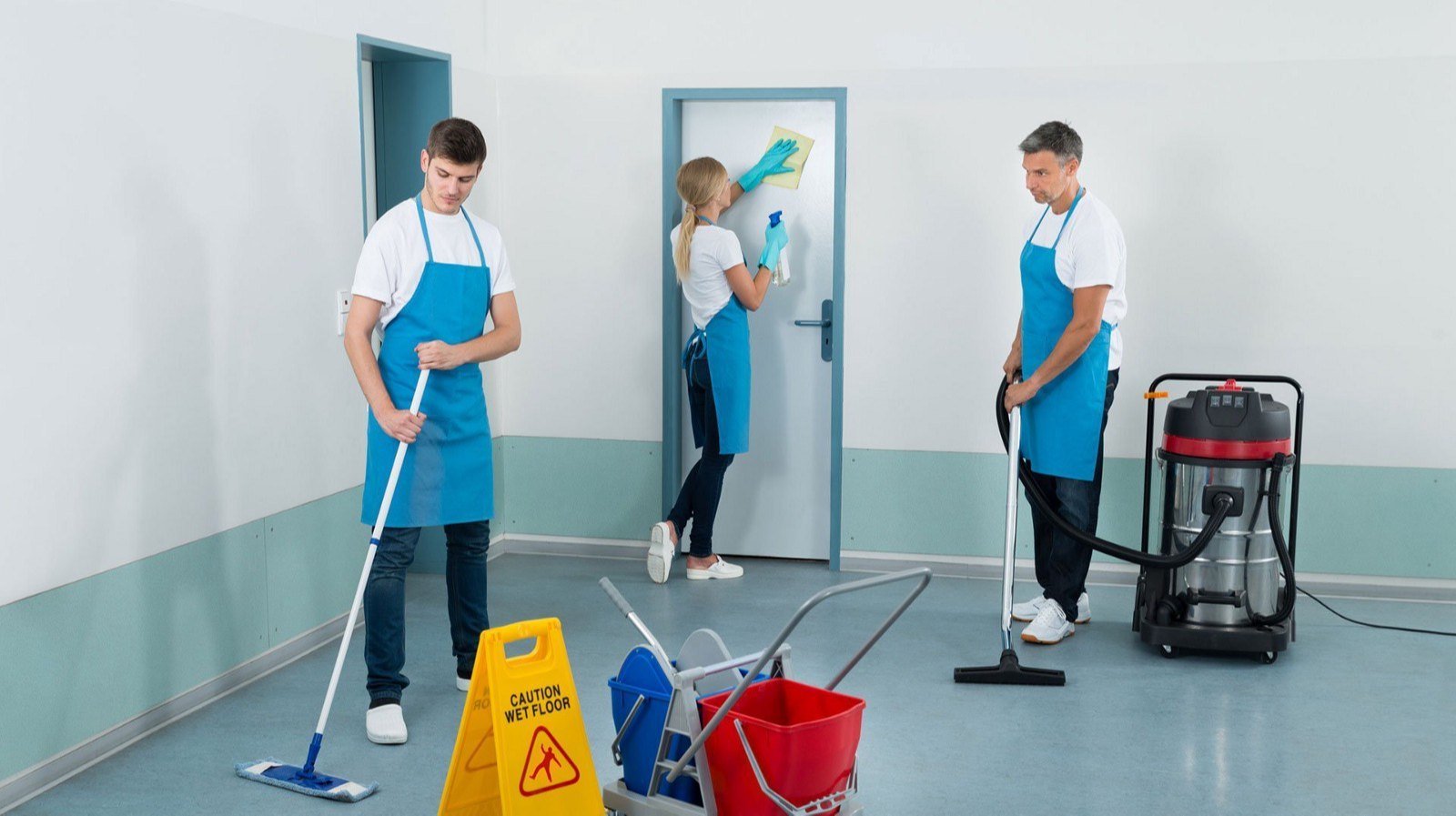
Hospital environments are highly sensitive where patients already have weakened immunity, making them more vulnerable to infections. Cleaning services play a critical role in maintaining a sterile and safe environment by reducing harmful microorganisms. Without proper hygiene, hospitals can become a major source of infection spread. Professional cleaning teams follow strict protocols designed specifically for healthcare settings. Their work directly supports patient recovery and overall hospital safety. Effective infection control begins with consistent and disciplined cleaning practices.
Understanding Infection Control in Hospitals
Infection control refers to the methods used to prevent the spread of harmful bacteria, viruses, and fungi within healthcare facilities. Hospitals face constant exposure to pathogens due to patient treatments and medical procedures. These infections can spread through surfaces, air, medical equipment, and human contact. Understanding transmission routes is essential for effective prevention. Cleaning services target these risk points with structured procedures. This ensures reduced infection rates and improved patient safety.
Role of Professional Cleaning Services in Infection Control
Professional cleaning services are specially trained to handle healthcare environments safely and effectively. Unlike regular cleaning, hospital cleaning focuses on eliminating pathogens rather than just visible dirt. These teams follow strict Standard Operating Procedures (SOPs) designed for medical facilities. They understand high-risk zones and prioritize them accordingly. Their training ensures accuracy, consistency, and compliance with health regulations. This professional approach significantly reduces the risk of hospital-acquired infections.
Use of Hospital-Grade Disinfectants
Hospital cleaning relies on strong, approved disinfectants that are effective against a wide range of microorganisms. These chemicals are carefully selected based on their ability to kill bacteria, viruses, and spores. Proper dilution and application are crucial for maximum effectiveness. Cleaning staff are trained to use disinfectants safely without harming patients or equipment. Regular use of these agents ensures continuous microbial control. This step is essential for maintaining sterile hospital conditions.
Cleaning High-Touch Surfaces
High-touch surfaces are the most common transmission points for infections in hospitals. These include bed rails, door handles, switches, medical equipment, and patient tables. Such areas require frequent cleaning, often multiple times a day. Cleaning teams follow strict schedules to disinfect these surfaces regularly. Even minor contamination in these zones can lead to rapid infection spread. Therefore, continuous attention to high-touch areas is a core infection control strategy.
Color-Coded Cleaning Systems
Color-coded cleaning systems are used to prevent cross-contamination between different hospital areas. Each color represents a specific zone such as bathrooms, patient rooms, or surgical areas. This system ensures that cleaning tools are not mixed between high-risk and low-risk areas. It reduces the chance of spreading harmful pathogens across departments. Staff are trained to strictly follow this coding system. It is a simple but highly effective infection prevention method.
Personal Protective Equipment (PPE) Usage
Cleaning staff use PPE such as gloves, masks, gowns, and face shields to protect themselves and patients. PPE acts as a barrier against infectious agents present in hospital environments. Proper usage and disposal are essential to avoid contamination. Staff are trained to change PPE regularly during cleaning tasks. This reduces the risk of carrying infections from one area to another. PPE is a vital part of hospital infection control protocols.
Waste Management and Disposal
Hospitals generate both medical and non-medical waste that must be handled carefully. Infectious waste such as syringes, bandages, and contaminated materials requires special disposal methods. Cleaning services ensure proper segregation of waste at the source. Sharps containers and biohazard bags are used for safe handling. Improper waste management can lead to severe infection risks. Therefore, strict disposal protocols are always followed.
Cleaning Isolation and High-Risk Areas
Isolation wards, ICUs, and operating rooms require the highest level of cleaning standards. These areas house patients with serious or contagious conditions. Cleaning procedures here are more frequent and more detailed than general areas. Terminal cleaning is performed after patient discharge to eliminate all pathogens. Special disinfectants and equipment are used in these zones. Strict protocols ensure zero contamination risk in critical care areas.
Staff Training and Hygiene Protocols
Proper training is essential for cleaning staff working in hospitals. They are educated on infection control practices, chemical handling, and hygiene standards. Regular training sessions ensure updated knowledge of safety procedures. Hand hygiene is emphasized as a key preventive measure. Staff must follow step-by-step cleaning protocols without deviation. Well-trained personnel are crucial for maintaining hospital hygiene standards.
Monitoring, Audits, and Quality Control
Hospitals regularly conduct inspections to ensure cleaning standards are maintained. Cleaning activities are monitored using checklists and supervision systems. Infection control audits help identify gaps in hygiene practices. Feedback is used to improve cleaning performance continuously. Quality control ensures compliance with healthcare regulations. This systematic monitoring guarantees consistent infection prevention.
Use of Modern Cleaning Technologies
Modern hospitals use advanced technologies like UV disinfection systems and electrostatic sprayers. These tools help eliminate microorganisms from hard-to-reach areas. Automated cleaning machines improve efficiency and consistency. Technology reduces human error in cleaning procedures. It also speeds up the disinfection process in large facilities. These innovations enhance overall infection control effectiveness.
Why Choose Northgate Facilities
Northgate Facilities provides professional hospital cleaning services designed to meet the highest healthcare hygiene standards. The company uses trained staff who understand infection control protocols in detail. They follow strict SOPs to ensure safe and consistent cleaning practices. Advanced disinfectants and modern equipment are used for maximum protection. Their services focus on reducing hospital-acquired infections effectively. Northgate Facilities is committed to delivering reliable, safe, and compliant healthcare cleaning solutions.
Trained and Skilled Cleaning Staff
Northgate Facilities employs trained professionals who understand hospital infection control in detail. Staff members are educated in handling sensitive healthcare environments where contamination risks are high. They receive regular training on hygiene protocols, safety measures, and cleaning procedures. This ensures they can work efficiently in critical hospital zones such as ICUs and wards. Their expertise reduces the chances of human error during cleaning. Skilled staff play a key role in maintaining consistent infection control standards.
Strict Compliance with SOPs
The company follows strict Standard Operating Procedures (SOPs) designed specifically for healthcare cleaning. These SOPs ensure that every cleaning task is performed in a controlled and standardized way. Staff are required to follow step-by-step protocols without deviation. This structured system helps eliminate risks of cross-contamination. SOP-based cleaning also ensures compliance with healthcare regulations. As a result, hospitals receive reliable and safe cleaning services every time.
Advanced Disinfection Methods
Northgate Facilities uses hospital-grade disinfectants and advanced cleaning techniques to eliminate harmful microorganisms. These disinfectants are effective against bacteria, viruses, and other pathogens commonly found in hospitals. Proper application ensures maximum surface protection and hygiene. The company also uses modern tools to reach difficult areas. This improves overall cleanliness and infection prevention. Advanced disinfection methods significantly reduce hospital-acquired infection risks.
Modern Equipment and Technology
The company integrates modern cleaning equipment to improve efficiency and effectiveness. Tools such as advanced sprayers and automated systems ensure thorough cleaning of large hospital areas. Technology helps achieve consistent results with minimal human error. It also speeds up the cleaning process without compromising quality. Modern equipment allows access to hard-to-reach and high-risk zones. This enhances overall hospital hygiene standards significantly.
Focus on Infection Prevention
A key priority for Northgate Facilities is reducing hospital-acquired infections (HAIs). Their cleaning methods are specifically designed to break the chain of infection transmission. High-touch surfaces and critical areas are cleaned frequently and carefully. This reduces the spread of harmful pathogens within hospital environments. Infection prevention strategies are applied in every cleaning task. This proactive approach ensures a safer environment for patients and healthcare workers.
Reliable and Compliant Healthcare Solutions
Northgate Facilities is committed to delivering dependable and regulation-compliant cleaning services. They align their practices with healthcare industry standards and safety guidelines. Regular monitoring and quality checks ensure consistent service delivery. Hospitals can rely on them for uninterrupted hygiene maintenance. Their services are designed to meet both operational and safety expectations. This makes them a trusted partner for healthcare institutions seeking long-term cleaning solutions.
Conclusion
Infection control in hospitals depends heavily on professional cleaning services and strict hygiene protocols. Every step, from disinfecting surfaces to waste management, plays a vital role in preventing disease spread. Proper training, equipment, and monitoring ensure consistent safety standards. Without these measures, hospitals would face higher infection risks. Cleaning services act as the backbone of healthcare safety. Their role is essential in protecting both patients and medical staff.
FAQs
Why is infection control important in hospitals?
It prevents the spread of diseases and protects patients with weak immunity. It also ensures a safe healthcare environment.
What areas are most important for hospital cleaning?
High-touch surfaces, ICUs, operating rooms, and isolation wards are most critical for infection control.
What disinfectants are used in hospitals?
Hospitals use approved hospital-grade disinfectants that kill bacteria, viruses, and other pathogens.
How often are hospitals cleaned?
High-risk areas are cleaned multiple times daily, while full cleaning is done on scheduled intervals.
Do cleaning staff receive special training?
Yes, they are trained in infection control, hygiene protocols, and safe chemical handling procedures.