
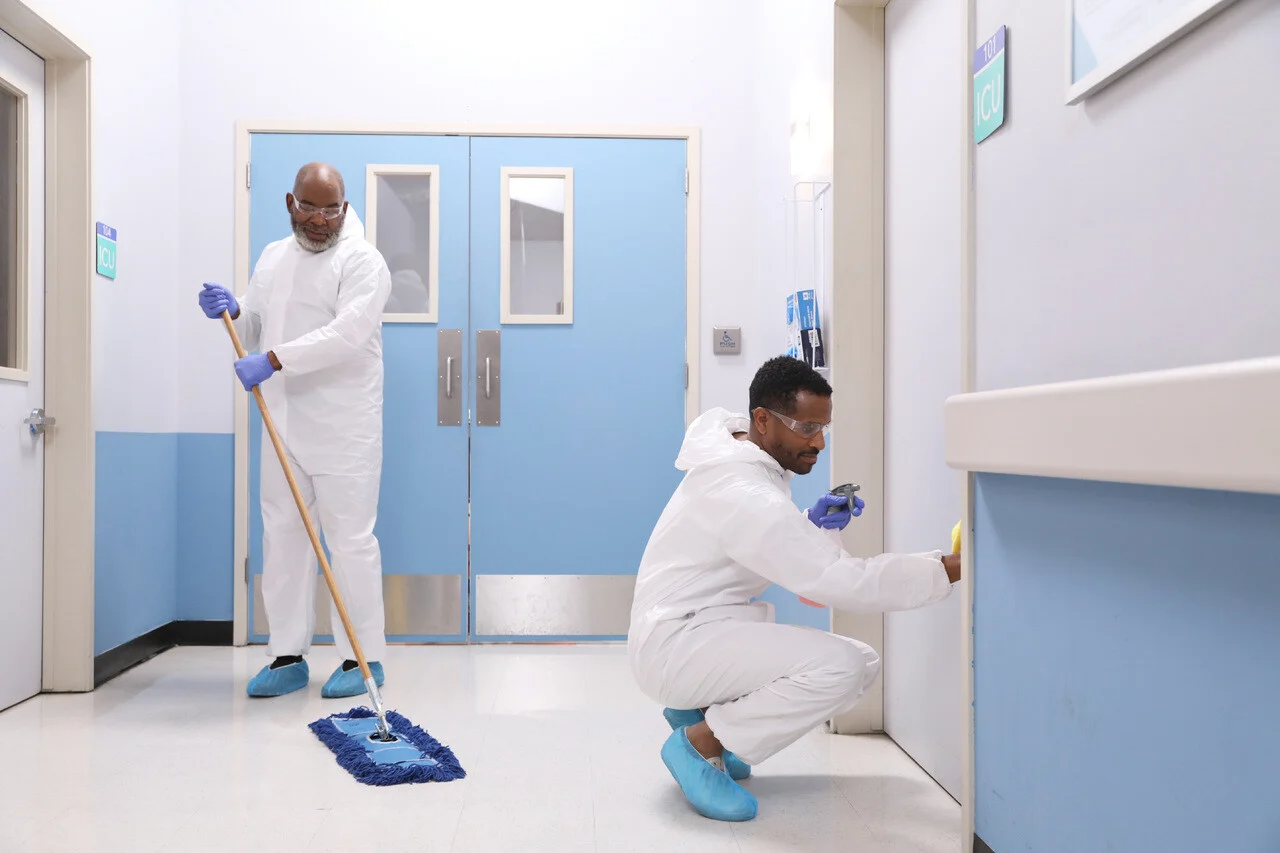
Healthcare facilities require strict cleanliness standards to maintain safe and hygienic environments for patients, staff, and visitors. Healthcare cleaning services follow industry regulations to reduce the spread of infections and ensure compliance with health authorities. Professional cleaners use specialized methods, approved disinfectants, and trained staff to meet healthcare requirements. Proper sanitation is essential in hospitals, clinics, laboratories, and medical offices where contamination risks are high. These services help healthcare providers maintain operational efficiency and patient trust. Following regulations also protects facilities from penalties and safety violations.
Why Healthcare Cleaning Regulations Matter
Healthcare cleaning regulations are designed to protect public health and maintain sanitary medical environments. Hospitals and clinics deal with bacteria, viruses, and hazardous waste daily, making strict cleaning procedures necessary. Regulatory compliance helps reduce healthcare-associated infections and improves patient recovery conditions. Proper cleaning also safeguards doctors, nurses, and support staff from exposure to harmful contaminants. Meeting these standards ensures healthcare facilities operate responsibly and professionally. Clean and compliant facilities also create confidence among patients and visitors.
Understanding Industry Standards in Healthcare Cleaning
Healthcare cleaning companies must follow national and international guidelines that regulate sanitation and infection control. These standards define proper cleaning methods, chemical usage, waste disposal, and worker safety requirements. Compliance ensures healthcare environments remain safe and hygienic at all times. Professional cleaning providers stay updated with changing regulations and healthcare protocols. They implement structured cleaning programs to meet strict industry expectations. Following these standards improves cleanliness, safety, and operational reliability.
Infection Control Guidelines
Infection control guidelines help healthcare cleaning teams minimize the spread of germs and infectious diseases. These procedures focus on sanitizing patient rooms, operating areas, waiting rooms, and high-contact surfaces. Cleaning staff follow detailed protocols to prevent bacteria and viruses from transferring between areas. Proper hand hygiene and surface disinfection are essential parts of infection prevention. Regular cleaning schedules help maintain a consistently safe environment for everyone. Strict infection control also supports better patient care and recovery outcomes.
OSHA Safety Standards
Healthcare cleaning services follow OSHA standards to ensure workplace safety for cleaning personnel and healthcare staff. These regulations include safe chemical handling, protective equipment usage, and hazard communication procedures. Cleaning employees receive training on handling biohazard materials and preventing workplace accidents. Proper labeling and storage of cleaning products reduce health risks and ensure compliance. OSHA standards also promote safe working conditions within healthcare facilities. Compliance protects both workers and patients from avoidable hazards.
CDC Cleaning Recommendations
Healthcare cleaning providers follow CDC recommendations for disinfecting medical environments effectively. These guidelines explain how to clean contaminated surfaces, patient care areas, and medical equipment safely. CDC-approved disinfectants are commonly used to eliminate harmful pathogens. Cleaning teams focus on frequently touched surfaces such as door handles, beds, counters, and waiting room furniture. Following CDC recommendations helps reduce infection transmission within healthcare settings. Consistent implementation ensures high sanitation standards are maintained daily.
HIPAA Compliance in Cleaning Services
Healthcare cleaning companies must respect HIPAA regulations when working in medical facilities. Cleaning staff may encounter confidential patient information during their duties, making privacy awareness essential. Professional cleaning companies train employees to handle sensitive environments responsibly. Staff members avoid accessing or sharing patient records and maintain strict confidentiality standards. HIPAA compliance supports patient trust and protects healthcare providers from legal issues. Responsible cleaning practices contribute to a secure and professional healthcare environment.
Importance of Trained Healthcare Cleaning Staff
Healthcare cleaning requires skilled and knowledgeable staff who understand medical sanitation procedures. Professional training ensures cleaners know how to disinfect critical areas properly and safely. Staff members learn infection control methods, chemical handling, and emergency response procedures. Trained teams can identify contamination risks and respond efficiently to sanitation challenges. Continuous education helps cleaning professionals stay updated with new regulations and technologies. Well-trained staff play a major role in maintaining compliant healthcare facilities.
Specialized Cleaning Certifications
Healthcare cleaning professionals often complete specialized certifications related to infection prevention and medical sanitation. These certifications demonstrate knowledge of healthcare cleaning standards and best practices. Certified cleaners understand proper disinfection methods and biohazard safety procedures. Training programs also improve awareness of healthcare regulations and compliance requirements. Facilities benefit from hiring cleaning providers with certified and experienced staff. Professional certifications help ensure consistent service quality and regulatory compliance.
Proper Use of PPE
Personal protective equipment is essential for healthcare cleaning staff working in high-risk environments. Gloves, masks, face shields, and protective gowns help reduce exposure to harmful contaminants. Proper PPE usage protects both cleaning workers and healthcare patients from cross-contamination. Staff members receive training on wearing, removing, and disposing of protective equipment correctly. PPE requirements may vary depending on the cleaning area and contamination level. Consistent use of protective gear supports safe and compliant cleaning operations.
Safe Waste Handling Procedures
Healthcare facilities generate medical and hazardous waste that requires careful handling and disposal. Cleaning teams follow strict procedures for managing contaminated materials and sharps safely. Proper waste segregation helps reduce environmental and health risks within healthcare settings. Specialized disposal containers are used to handle infectious waste responsibly. Compliance with waste management regulations ensures healthcare facilities maintain sanitary conditions. Safe waste handling also protects staff and patients from accidental exposure.
Advanced Cleaning Methods Used in Healthcare Facilities
Modern healthcare cleaning services use advanced techniques to achieve high sanitation standards. Professional equipment and specialized disinfectants improve cleaning effectiveness in sensitive medical environments. Advanced methods help eliminate bacteria, viruses, and harmful pathogens from surfaces and air systems. These technologies also improve efficiency and consistency in daily cleaning operations. Healthcare facilities benefit from safer and more reliable sanitation procedures. Innovative cleaning methods support regulatory compliance and patient safety.
Hospital-Grade Disinfectants
Hospital-grade disinfectants are specially formulated to kill dangerous pathogens found in healthcare facilities. These products are approved for medical environments and provide strong antimicrobial protection. Cleaning teams use them on patient rooms, surgical areas, and common surfaces to maintain hygiene. Proper application ensures effective disinfection without damaging sensitive equipment. Using approved disinfectants helps facilities meet healthcare sanitation regulations. Consistent disinfection reduces infection risks and improves overall cleanliness.
High-Touch Surface Disinfection
High-touch surfaces are areas frequently contacted by patients, staff, and visitors throughout the day. These surfaces include door handles, bed rails, switches, chairs, and reception counters. Healthcare cleaning teams disinfect these areas multiple times daily to reduce contamination risks. Special attention to high-contact zones helps limit the spread of bacteria and viruses. Consistent cleaning schedules improve infection control within medical facilities. Proper surface disinfection supports safer healthcare environments.
Color-Coded Cleaning Systems
Color-coded cleaning systems help prevent cross-contamination between different healthcare areas. Cleaning tools and cloths are assigned specific colors for separate zones such as restrooms, patient rooms, and surgical spaces. This organized approach minimizes the transfer of germs from one area to another. Staff members can easily follow proper cleaning procedures using color identification. Color-coded systems improve efficiency and compliance with hygiene protocols. These methods support safer and more controlled sanitation practices.
Electrostatic Spraying Technology
Electrostatic spraying technology allows disinfectants to coat surfaces evenly and efficiently. This method helps reach difficult areas that traditional cleaning may miss. The charged disinfectant particles attach to surfaces for thorough sanitation coverage. Healthcare facilities use this technology to disinfect patient rooms, waiting areas, and medical equipment quickly. Electrostatic spraying improves cleaning consistency and infection prevention efforts. It is an effective solution for maintaining high healthcare cleaning standards.
How Healthcare Cleaning Services Prevent Cross-Contamination
Cross-contamination is a major concern in healthcare environments where infections can spread rapidly. Professional cleaning services use strict protocols to separate contaminated and clean areas safely. Cleaning staff follow detailed procedures to avoid transferring bacteria between rooms or departments. Proper disinfection techniques and dedicated equipment reduce contamination risks significantly. Preventing cross-contamination improves patient safety and healthcare quality. Consistent sanitation practices help maintain compliance with healthcare regulations.
Isolation Room Cleaning Protocols
Isolation rooms require specialized cleaning procedures to control infectious diseases effectively. Cleaning staff use enhanced protective equipment and follow strict disinfection protocols in these areas. All surfaces, equipment, and waste materials are carefully sanitized to prevent contamination spread. Proper room cleaning helps protect healthcare workers and other patients from exposure. Detailed procedures ensure healthcare facilities maintain safe isolation practices. Compliance with these protocols supports infection control standards.
Sterilization and Sanitization Practices
Sterilization and sanitization are critical processes in healthcare cleaning services. Sanitization reduces germs to safe levels, while sterilization removes all microorganisms completely. Healthcare cleaning teams apply these methods to medical equipment, surfaces, and treatment areas. Proper sterilization practices are essential in surgical and laboratory environments. Consistent cleaning procedures help reduce infection risks and maintain hygiene standards. Effective sanitization supports safe patient care and regulatory compliance.
Air Quality and Ventilation Cleaning
Clean air and proper ventilation are important components of healthcare hygiene. Dust, allergens, and airborne bacteria can affect patient health and indoor safety. Healthcare cleaning services maintain ventilation systems and air ducts to improve air quality. Regular maintenance helps reduce airborne contamination within healthcare facilities. Proper airflow management supports infection control and patient comfort. Clean ventilation systems contribute to healthier medical environments.
Compliance Through Documentation and Inspections
Healthcare cleaning services maintain detailed records to demonstrate compliance with regulations and cleaning standards. Documentation helps track cleaning schedules, disinfectant usage, and inspection results accurately. Facilities use reports and checklists to ensure all sanitation procedures are completed properly. Regular audits identify areas needing improvement and support quality control efforts. Proper documentation also helps healthcare providers during regulatory inspections. Organized compliance systems improve accountability and operational efficiency.
Cleaning Checklists and Reporting
Cleaning checklists help healthcare teams maintain consistency in sanitation procedures. Staff members record completed tasks to ensure no critical area is overlooked. Detailed reporting provides proof of compliance and cleaning performance. Managers can review records to monitor service quality and identify sanitation issues quickly. Organized documentation improves communication between cleaning teams and healthcare administrators. Checklists also support accountability and efficient facility management.
Routine Quality Assurance Audits
Quality assurance audits help healthcare facilities evaluate cleaning performance regularly. Supervisors inspect cleaned areas to confirm compliance with hygiene standards and regulations. Audits identify potential sanitation gaps and allow corrective actions to be implemented quickly. Continuous monitoring improves cleaning consistency and operational reliability. Healthcare facilities benefit from safer and more hygienic environments through routine inspections. Quality assurance programs support long-term regulatory compliance.
Regulatory Inspections and Compliance Tracking
Healthcare facilities undergo inspections to verify compliance with health and safety regulations. Professional cleaning services prepare facilities for these evaluations through organized sanitation programs. Compliance tracking systems help monitor cleaning activities and regulatory requirements effectively. Accurate records demonstrate that proper cleaning procedures are consistently followed. Regular inspections encourage continuous improvement in healthcare sanitation practices. Compliance readiness helps facilities avoid penalties and operational disruptions.
Role of Technology in Regulatory Compliance
Technology has improved the efficiency and accuracy of healthcare cleaning services significantly. Digital tools help cleaning teams monitor sanitation tasks and maintain compliance records more effectively. Automated systems improve cleaning consistency and reduce human error in healthcare environments. Technology also supports better communication between facility managers and cleaning staff. Modern innovations help healthcare providers maintain safer and cleaner environments. Advanced systems strengthen infection prevention and regulatory compliance efforts.
Digital Monitoring Systems
Digital monitoring systems track cleaning schedules, completed tasks, and sanitation performance in real time. Healthcare facilities use these systems to ensure all areas receive proper cleaning attention. Managers can quickly identify missed tasks and respond to hygiene concerns efficiently. Electronic records also simplify compliance reporting during inspections. Digital tools improve accountability and operational transparency within healthcare cleaning services. Real-time monitoring enhances service quality and regulatory control.
Automated Cleaning Equipment
Automated cleaning equipment improves sanitation efficiency in large healthcare facilities. Robotic floor cleaners and advanced disinfection machines reduce manual labor while maintaining consistent cleaning quality. These systems help sanitize surfaces quickly and effectively in busy medical environments. Automation also minimizes human contact with hazardous areas and contaminants. Healthcare providers benefit from faster cleaning processes and improved infection control. Modern equipment supports reliable and compliant healthcare sanitation practices.
Data-Driven Cleaning Schedules
Data-driven cleaning schedules allow healthcare facilities to focus resources on high-risk areas more effectively. Cleaning frequencies are adjusted based on traffic levels, contamination risks, and patient activity. This strategic approach improves sanitation efficiency and reduces unnecessary cleaning delays. Healthcare managers can analyze performance data to improve operational planning. Data-based scheduling enhances compliance with healthcare hygiene standards. Smart cleaning strategies help maintain safer medical environments.
Benefits of Hiring Professional Healthcare Cleaning Services
Professional healthcare cleaning services provide specialized expertise that general cleaning companies may not offer. These services focus on infection prevention, regulatory compliance, and advanced sanitation procedures. Healthcare facilities benefit from improved cleanliness and reduced contamination risks. Professional teams use approved cleaning products and follow strict healthcare guidelines. Reliable cleaning services help create safer environments for patients and staff. Outsourcing healthcare cleaning also improves operational efficiency and service consistency.
Improved Patient Safety
Clean healthcare environments directly contribute to patient safety and recovery. Proper sanitation reduces exposure to harmful bacteria, viruses, and allergens within medical facilities. Patients in clean environments are less likely to develop healthcare-associated infections. Professional cleaning services ensure patient rooms and treatment areas remain hygienic and safe. Consistent cleaning procedures support better healthcare outcomes and patient confidence. Safe facilities also improve overall healthcare quality standards.
Reduced Infection Risks
Healthcare cleaning services play a vital role in minimizing infection transmission. Regular disinfection of surfaces and medical spaces helps eliminate harmful pathogens effectively. Professional sanitation practices reduce the spread of contagious illnesses among patients and staff. High-risk areas receive specialized cleaning attention to maintain safety standards. Infection prevention measures improve operational reliability in healthcare settings. Lower infection rates contribute to healthier and more efficient medical facilities.
Better Regulatory Compliance
Professional cleaning companies understand healthcare regulations and maintain strict compliance procedures. Their expertise helps healthcare providers meet inspection requirements and sanitation standards consistently. Compliance-focused cleaning reduces legal risks and operational penalties for medical facilities. Organized documentation and quality control systems support ongoing regulatory readiness. Professional services ensure facilities remain aligned with changing healthcare guidelines. Reliable compliance improves facility reputation and operational confidence.
Enhanced Facility Reputation
A clean and hygienic healthcare facility creates a positive impression on patients and visitors. Professional sanitation reflects a strong commitment to patient care and safety. Healthcare providers with high cleanliness standards often gain greater public trust and credibility. Clean facilities also improve staff morale and workplace satisfaction. Professional healthcare cleaning services help maintain a polished and responsible image. Strong hygiene standards contribute to long-term healthcare success.
Common Challenges in Healthcare Cleaning Compliance
Healthcare cleaning compliance can be challenging due to strict regulations and constantly changing healthcare requirements. Facilities must maintain high sanitation standards while managing busy operations and infection risks. Proper staff training and consistent monitoring are essential for meeting compliance goals. Cleaning providers also face challenges related to hazardous waste handling and emergency sanitation needs. Addressing these issues requires experience, planning, and reliable cleaning systems. Strong compliance strategies help healthcare facilities overcome operational challenges effectively.
Managing Biohazard Waste
Biohazard waste management requires strict handling procedures to ensure healthcare safety. Contaminated materials such as sharps, blood-soaked items, and medical waste must be disposed of carefully. Improper handling can lead to infections and environmental hazards. Healthcare cleaning teams follow regulated disposal methods and safety protocols. Specialized containers and transport procedures help maintain compliance standards. Responsible waste management protects healthcare workers, patients, and the environment.
Keeping Up with Changing Regulations
Healthcare cleaning regulations continue to evolve as new health risks and technologies emerge. Cleaning providers must stay updated with industry guidelines and infection prevention standards. Ongoing training and policy reviews help ensure compliance with changing requirements. Facilities that fail to adapt may face operational and legal challenges. Professional cleaning companies invest in education and updated procedures to remain compliant. Staying informed supports safe and efficient healthcare operations.
Staff Training and Retention
Maintaining a skilled healthcare cleaning workforce is essential for compliance and service quality. Continuous training helps employees understand updated regulations and sanitation techniques. Retaining experienced staff ensures consistency in healthcare cleaning procedures. High staff turnover can affect cleaning performance and compliance standards negatively. Supportive work environments and professional development programs improve employee retention. Well-trained teams contribute to safer and more reliable healthcare facilities.
Tips for Choosing a Compliant Healthcare Cleaning Company
Selecting the right healthcare cleaning company is important for maintaining safety and regulatory compliance. Facilities should evaluate cleaning providers based on experience, certifications, and healthcare expertise. Professional companies follow structured sanitation programs and provide trained staff for medical environments. Reliable providers also maintain strong quality assurance and documentation systems. Choosing an experienced cleaning partner improves hygiene standards and operational confidence. Careful selection helps healthcare facilities maintain long-term compliance and safety.
Verify Certifications and Experience
Healthcare facilities should choose cleaning companies with recognized certifications and proven industry experience. Certified providers understand healthcare regulations and advanced sanitation procedures thoroughly. Experience in medical environments ensures better infection control and compliance management. Qualified companies also invest in staff training and updated cleaning technologies. Reviewing credentials helps facilities select reliable and professional service providers. Strong experience improves service quality and regulatory readiness.
Check Healthcare Industry Expertise
Healthcare cleaning requires specialized knowledge that differs from general commercial cleaning services. Providers with healthcare expertise understand infection control, hazardous waste handling, and sanitation regulations. Experienced teams can respond effectively to healthcare-specific cleaning challenges. Specialized knowledge improves cleaning accuracy and compliance standards. Healthcare-focused providers also understand the importance of patient safety and confidentiality. Industry expertise ensures more reliable and professional service delivery.
Review Safety and Compliance Policies
A professional healthcare cleaning company should maintain clear safety and compliance policies. These policies explain cleaning procedures, employee responsibilities, and infection prevention measures. Facilities should review how the provider handles chemical safety, waste disposal, and emergency situations. Strong compliance systems demonstrate professionalism and accountability. Reliable policies also support better communication between healthcare facilities and cleaning teams. Organized procedures improve operational safety and consistency.
Evaluate Emergency Cleaning Response
Healthcare facilities may require urgent cleaning services during outbreaks, spills, or emergency incidents. A reliable cleaning provider should offer rapid response capabilities for critical situations. Emergency cleaning teams must be trained to handle hazardous contamination safely and efficiently. Quick response times help minimize operational disruptions and infection risks. Healthcare facilities benefit from providers with flexible and dependable emergency support. Effective emergency services strengthen overall healthcare safety and preparedness.
Why Choose Northgate Facilities
Northgate Facilities provides professional healthcare cleaning solutions designed to meet strict industry regulations and hygiene standards. Their trained cleaning teams follow advanced infection control procedures and use hospital-grade disinfectants for safe sanitation. The company focuses on compliance with healthcare guidelines, workplace safety standards, and quality assurance practices. They offer reliable cleaning services for hospitals, clinics, laboratories, and medical facilities of all sizes. Northgate Facilities emphasizes professionalism, efficiency, and rapid response support for healthcare environments. Choosing their services helps healthcare providers maintain cleaner, safer, and regulation-compliant facilities.
Why Professional Healthcare Cleaning Matters for Modern Facilities
Modern healthcare facilities require advanced cleaning solutions to manage growing hygiene and infection control demands. Professional healthcare cleaning services provide specialized expertise and technologies that improve sanitation standards significantly. These services help maintain safe environments for patients, healthcare workers, and visitors. Regulatory compliance also becomes easier with experienced healthcare cleaning providers. Reliable cleaning programs support operational efficiency and patient confidence. Professional sanitation remains essential for the success of modern healthcare environments.
Conclusion
Healthcare cleaning services play a critical role in maintaining safe and compliant medical environments. By following strict industry regulations, using advanced cleaning technologies, and employing trained staff, these services help reduce infection risks and improve patient safety. Compliance with healthcare standards ensures operational reliability and protects healthcare facilities from legal and safety challenges. Professional cleaning providers contribute to cleaner, healthier, and more efficient healthcare spaces. Investing in specialized healthcare cleaning services supports long-term healthcare quality and public trust. Clean and compliant facilities remain essential for modern patient care.
FAQs
Why are healthcare cleaning regulations important?
Healthcare cleaning regulations help prevent infections, improve patient safety, and maintain hygienic medical environments.
What disinfectants are used in healthcare cleaning?
Healthcare facilities commonly use hospital-grade disinfectants approved for eliminating harmful bacteria and viruses.
How often should healthcare facilities be cleaned?
Healthcare facilities require daily cleaning, with high-touch areas disinfected multiple times throughout the day.
What is cross-contamination in healthcare cleaning?
Cross-contamination occurs when germs spread from one area to another through improper cleaning practices or equipment use.
Why hire professional healthcare cleaning services?
Professional healthcare cleaning services provide trained staff, advanced sanitation methods, and reliable regulatory compliance support.