
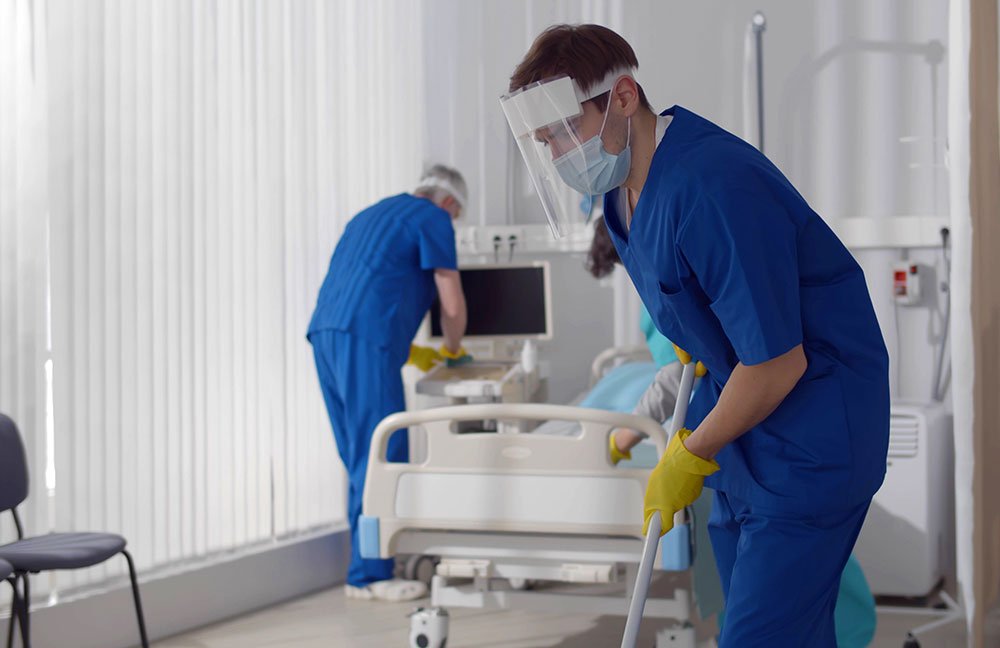
Hospital cleaning services play a critical role in preventing the spread of infections by focusing on high-touch surfaces that are frequently contacted by patients, staff, and visitors. These areas are known to carry harmful pathogens if not cleaned properly and regularly. Professional cleaning teams follow strict protocols to ensure every surface is disinfected using approved chemicals and methods. The goal is to reduce healthcare-associated infections and maintain a safe clinical environment. High-touch surface cleaning is not just routine cleaning; it is a specialised infection-control practice. It directly contributes to patient safety and hospital hygiene standards.
What Are High-Touch Surfaces in Hospitals?
Common High-Touch Areas
High-touch surfaces in hospitals include any objects or areas that are frequently touched throughout the day. These typically include door handles, bed rails, light switches, and reception counters. Medical equipment like monitors and IV stands are also considered high-contact points. Even elevator buttons and patient chairs fall into this category. Because these surfaces are used repeatedly by different people, they become potential carriers of bacteria and viruses. Cleaning teams prioritise these areas to prevent cross-contamination.
Why These Surfaces Require Special Attention
These surfaces require special attention because they are constantly exposed to human contact, making them high-risk zones for germ transmission. In a hospital setting, patients may already have weakened immune systems, increasing the danger of infection spread. If not properly disinfected, pathogens can survive on surfaces for hours or even days. This makes regular cleaning insufficient without proper disinfection. Special protocols are required to break the chain of infection. That is why hospitals treat these areas with higher cleaning frequency and stronger disinfectants.
How Hospital Cleaning Services Identify High-Risk Areas
Conducting Site Assessments
Cleaning teams begin by conducting detailed site assessments to identify which areas are most frequently touched. They observe movement patterns of staff, patients, and visitors to understand traffic flow. This helps them map out infection-prone zones. Each department is evaluated separately because risk levels vary. For example, emergency rooms have higher contamination risks compared to administrative areas. These assessments help in designing effective cleaning schedules.
Prioritizing Critical Care Areas
Critical care areas such as ICUs, operating theatres, and isolation rooms are given top priority. These spaces deal with vulnerable patients and invasive medical procedures. Even a small lapse in cleaning can lead to serious infections. Therefore, cleaning frequency is much higher in these zones. Special disinfectants and trained staff are assigned specifically for these areas. This prioritisation ensures maximum patient safety.
Cleaning and Disinfection Procedures for High-Touch Surfaces
Routine Cleaning Before Disinfection
Before disinfection, surfaces are first cleaned to remove dust, dirt, and organic matter. This step is important because disinfectants work best on clean surfaces. Cleaning staff use hospital-approved detergents to prepare surfaces for further treatment. Without this step, disinfectants may lose effectiveness. Proper wiping techniques are also used to avoid spreading contamination. This ensures a clean base for effective germ removal.
Applying Medical-Grade Disinfectants
After cleaning, medical-grade disinfectants are applied to kill bacteria, viruses, and fungi. These disinfectants are carefully selected based on hospital standards and infection risks. Staff follow manufacturer instructions regarding dilution and application methods. Contact time is strictly maintained to ensure full effectiveness. This step is crucial in eliminating invisible pathogens. It is the core part of hospital surface hygiene protocols.
Using Colour-Coded Cleaning Systems
Hospitals use colour-coded cleaning systems to prevent cross-contamination between different areas. Each colour represents a specific zone such as bathrooms, patient rooms, or kitchens. Cleaning tools are never mixed between these zones. This reduces the risk of spreading germs from one area to another. Staff are trained to strictly follow this system. It adds an extra layer of safety in hospital hygiene management.
Frequency of High-Touch Surface Cleaning
Scheduled Cleaning Throughout the Day
High-touch surfaces are cleaned multiple times throughout the day based on hospital activity levels. Busy areas may require hourly disinfection. This ensures that surfaces remain safe between patient interactions. Cleaning schedules are carefully planned and documented. Regular monitoring ensures compliance with these schedules. It helps maintain continuous infection control.
Emergency and Spill Response Cleaning
In case of spills or contamination incidents, immediate cleaning is carried out. Rapid response teams are trained to handle such situations. This prevents the spread of harmful microorganisms. Special disinfectants are used for biohazard situations. Quick action is essential in maintaining safety standards. These emergency protocols are a key part of hospital cleaning systems.
Tools and Equipment Used for High-Touch Surface Cleaning
Microfiber Cloths and Disposable Wipes
Microfiber cloths and disposable wipes are commonly used for cleaning high-touch surfaces. They are effective in trapping dirt and microbes. Disposable wipes reduce the risk of cross-contamination. These tools are used with disinfectants for maximum efficiency. They are changed frequently to maintain hygiene. This ensures safer cleaning practices.
Electrostatic Sprayers and Advanced Technologies
Modern hospitals use electrostatic sprayers to apply disinfectants evenly on surfaces. These devices ensure full coverage, even on hard-to-reach areas. The charged particles help disinfectants stick better to surfaces. This improves overall cleaning efficiency. Advanced technology reduces manual effort and increases accuracy. It is widely used in high-risk zones.
Personal Protective Equipment (PPE)
Cleaning staff use PPE such as gloves, masks, and gowns to protect themselves. This also prevents contamination from spreading during cleaning. PPE is changed regularly according to protocols. It ensures safety for both staff and patients. Proper usage of PPE is mandatory in healthcare cleaning. It is a critical part of infection control.
Staff Training and Compliance
Infection Control Training
Hospital cleaning staff receive specialised training in infection control practices. They learn proper cleaning techniques and safe chemical handling. Training also includes understanding contamination risks. Regular refreshers keep staff updated on new protocols. This ensures high-quality cleaning standards. Skilled staff are essential for effective hospital hygiene.
Adherence to Healthcare Cleaning Protocols
Strict guidelines are followed in every cleaning task. These protocols are based on healthcare regulations and standards. Staff must document their cleaning activities. Regular supervision ensures compliance. This structured approach maintains consistency in cleaning quality. It also supports hospital accreditation requirements.
Quality Assurance and Monitoring
Inspection and Auditing Processes
Hospitals conduct regular inspections to ensure cleaning quality. Supervisors check whether protocols are being followed correctly. Random audits help identify gaps in hygiene practices. Immediate corrective actions are taken when needed. This maintains high standards of cleanliness. Continuous monitoring improves overall performance.
Documentation and Reporting
Every cleaning activity is recorded in detailed logs. These reports include time, area, and method of cleaning. Documentation ensures accountability and transparency. It also helps track cleaning schedules efficiently. Hospital management uses these records for audits. Proper reporting strengthens compliance systems.
Benefits of Proper High-Touch Surface Cleaning
Proper cleaning of high-touch surfaces significantly reduces infection risks in hospitals. It enhances patient safety and improves recovery outcomes. Healthcare workers are also protected from exposure to harmful pathogens. It ensures compliance with health regulations and standards. Clean environments build trust among patients and visitors. Overall, it improves the reputation and efficiency of healthcare facilities.
Why Choose Northgate Facilities?
Northgate Facilities provides high-quality, reliable, and professional-grade solutions designed for modern healthcare and commercial environments. Their focus on durability ensures long-lasting performance even in high-usage settings. The brand is known for maintaining strict quality standards in all its products. They offer customised solutions tailored to specific facility needs. Their commitment to innovation and customer satisfaction makes them a trusted choice. Choosing Northgate Facilities ensures both functionality and excellence in service environments.
Conclusion
High-touch surface cleaning is one of the most important parts of hospital hygiene management because these areas are constantly exposed to germs and bacteria. Hospital cleaning services use structured procedures, medical-grade disinfectants, and advanced tools to ensure every surface is properly sanitized. From routine cleaning to emergency disinfection, every step is designed to reduce infection risks and protect patients, staff, and visitors. Proper training, strict protocols, and continuous monitoring make the process highly effective and reliable. When these practices are followed consistently, hospitals can maintain a safer and healthier environment. Ultimately, high-touch surface cleaning plays a key role in preventing the spread of infections and improving overall healthcare quality.
FAQs
What are high-touch surfaces in hospitals?
They are frequently touched areas like door handles, bed rails, and switches.
Why is disinfecting high-touch surfaces important?
It helps prevent the spread of infections and harmful pathogens.
How often should hospital surfaces be cleaned?
They are cleaned multiple times daily depending on risk levels.
What disinfectants are used in hospitals?
Medical-grade disinfectants approved for infection control are used.
Do hospitals follow strict cleaning protocols?
Yes, they follow regulated infection control and hygiene standards.