
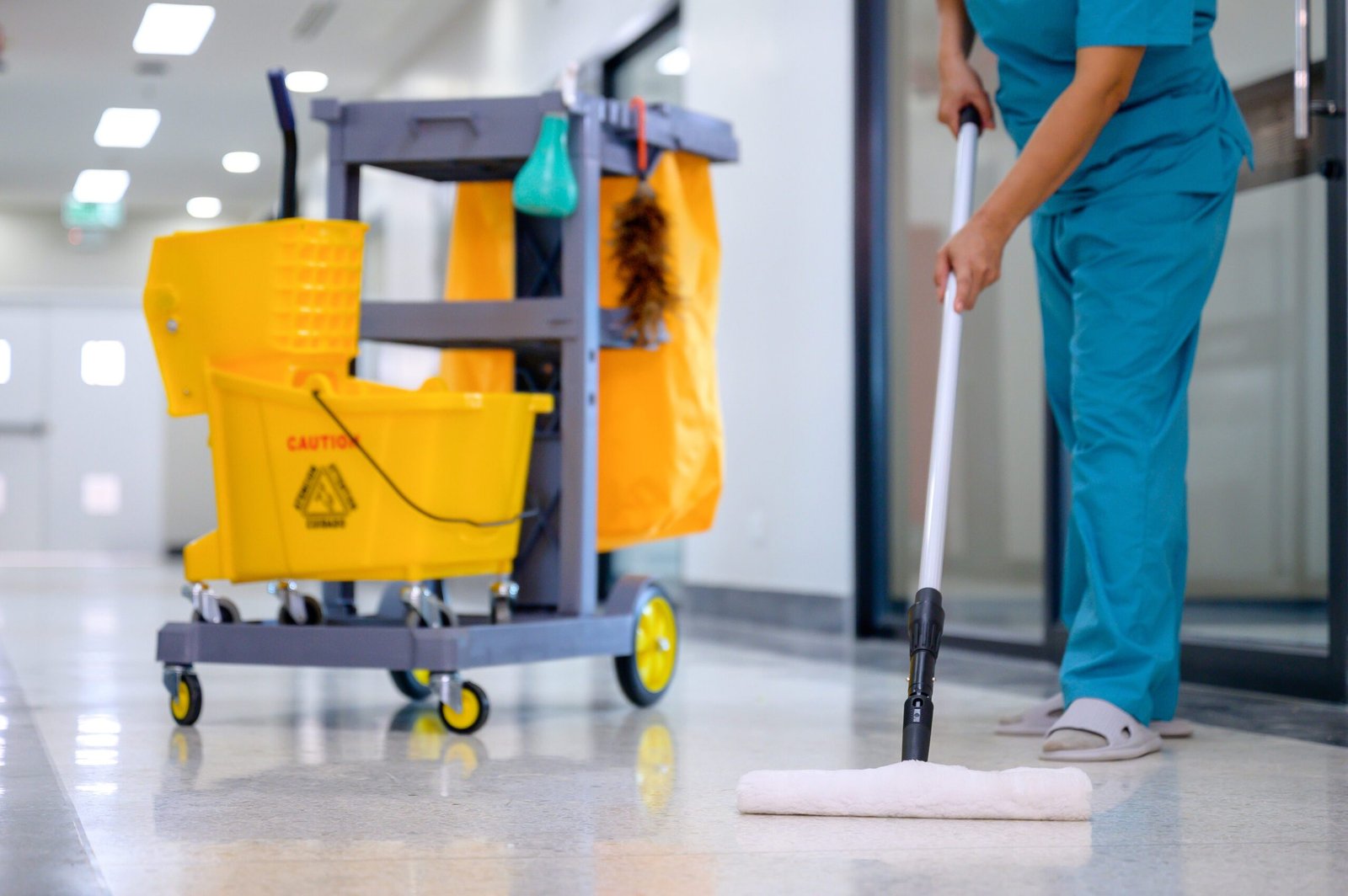
Healthcare facilities require the highest level of cleanliness to protect patients, visitors, and medical staff from harmful bacteria and viruses. Professional cleaning services play a major role in maintaining hygienic environments where treatments, surgeries, and patient care take place daily. Hospitals, clinics, laboratories, and care homes experience heavy foot traffic, making regular cleaning essential for infection prevention. Trained cleaning professionals use specialized equipment and approved disinfectants to sanitize medical environments effectively. Their expertise helps healthcare providers meet strict hygiene regulations and improve overall safety standards. A clean healthcare facility also creates trust and confidence among patients and visitors.
Why Cleanliness Matters in Healthcare Facilities
Preventing the Spread of Infections
Healthcare facilities are highly vulnerable to the spread of germs and infectious diseases because patients with different illnesses visit these locations every day. Professional cleaning services reduce the risk of contamination by disinfecting surfaces, medical equipment areas, and frequently touched points. Proper sanitization helps control harmful bacteria, viruses, and pathogens that may spread between patients and staff. Cleaning experts follow strict hygiene protocols to ensure all critical areas are thoroughly disinfected. This process lowers the chances of healthcare-associated infections and promotes a healthier environment. Regular cleaning is one of the most effective ways to maintain patient safety in healthcare facilities.
Creating a Safe Environment for Patients and Staff
A clean healthcare environment is essential for the safety and comfort of both patients and healthcare workers. Professional cleaning services remove dust, germs, and hazardous contaminants from treatment areas and shared spaces. Sanitized environments help reduce health risks for doctors, nurses, administrative staff, and visitors. Patients recovering from illnesses or surgeries especially need clean surroundings to avoid additional infections. Proper cleaning also minimizes slips, falls, and accidents caused by spills or cluttered areas. Maintaining cleanliness supports a safe and professional healthcare atmosphere.
Meeting Healthcare Hygiene Regulations
Healthcare facilities must follow strict hygiene and sanitation regulations set by health authorities and safety organizations. Professional cleaning companies understand these standards and apply cleaning procedures that comply with required guidelines. Their trained staff use approved cleaning chemicals and methods designed specifically for medical environments. Consistent cleaning schedules help facilities maintain inspection readiness at all times. Proper documentation and quality control also support compliance with healthcare regulations. Meeting hygiene standards protects the reputation of healthcare facilities and ensures patient confidence.
Improving Patient Confidence and Satisfaction
Patients feel more comfortable and secure when visiting a healthcare facility that looks clean and organized. Professional cleaning services help maintain spotless waiting areas, patient rooms, washrooms, and treatment spaces. Clean surroundings create a positive impression and demonstrate that the healthcare provider values patient health and safety. Patients are more likely to trust medical services when they see proper hygiene practices in place. Pleasant and sanitized environments can also reduce stress and anxiety for visitors and patients. Maintaining high cleanliness standards contributes to a better overall patient experience.
What Are Professional Healthcare Cleaning Services?
Daily Cleaning and Sanitization
Professional healthcare cleaning services include routine cleaning tasks that keep medical facilities hygienic every day. These services involve mopping floors, dusting surfaces, disinfecting patient areas, and cleaning restrooms regularly. Daily sanitization focuses on reducing germs and maintaining safe environments for patients and healthcare workers. Cleaning teams use hospital-grade disinfectants to eliminate bacteria and viruses from high-contact surfaces. Consistent cleaning schedules ensure healthcare facilities remain clean throughout operating hours. Daily maintenance also prevents dirt buildup and improves the overall appearance of medical environments.
Deep Cleaning of Critical Areas
Deep cleaning is essential for healthcare spaces where high levels of sanitation are required, such as operating theatres and intensive care units. Professional cleaners perform detailed disinfection procedures to remove hidden germs and contaminants from all surfaces. Specialized equipment and advanced cleaning methods are used to sanitize difficult-to-reach areas effectively. Deep cleaning helps maintain sterile environments that are necessary for surgeries and medical procedures. It also reduces the risk of cross-contamination within healthcare facilities. Regular deep cleaning supports long-term hygiene and infection control.
Waste Management and Disposal
Healthcare facilities generate different types of waste, including medical and biohazard materials that require safe handling. Professional cleaning services ensure waste is collected, separated, and disposed of according to safety regulations. Proper waste management prevents contamination and protects staff, patients, and the environment. Cleaning teams are trained to handle hazardous materials carefully and responsibly. Secure disposal procedures help healthcare facilities comply with health and environmental standards. Effective waste management also keeps healthcare spaces clean and organized.
Disinfection of High-Touch Surfaces
High-touch surfaces such as door handles, counters, chairs, switches, and handrails can easily spread germs in healthcare settings. Professional cleaning services focus on regularly disinfecting these areas to reduce infection risks. Frequent sanitization prevents bacteria and viruses from transferring between patients, staff, and visitors. Hospital-grade disinfectants are used to provide maximum protection against harmful pathogens. Proper cleaning techniques ensure surfaces remain safe for daily use. This process is essential for maintaining hygiene in busy healthcare environments.
Areas That Require Professional Cleaning in Healthcare Facilities
Patient Rooms and Wards
Patient rooms require regular cleaning and disinfection to provide a safe recovery environment. Professional cleaners sanitize beds, furniture, floors, and medical equipment areas to minimize infection risks. Clean patient wards help improve comfort and support faster recovery for patients. Regular cleaning also prevents germs from spreading between rooms and shared healthcare spaces. Attention to detail is necessary to maintain high hygiene standards in patient care areas. Properly cleaned wards create healthier conditions for both patients and healthcare staff.
Operating Theatres and Surgical Rooms
Operating rooms demand the highest level of cleanliness because surgeries require sterile environments. Professional cleaning services use advanced disinfection methods to sanitize surgical equipment areas, walls, floors, and surfaces. Thorough cleaning helps prevent surgical infections and contamination during medical procedures. Cleaning teams follow strict healthcare protocols when handling sensitive surgical environments. Specialized disinfectants and equipment are used to achieve maximum hygiene standards. Maintaining sterile operating theatres is essential for patient safety and successful medical treatments.
Waiting Areas and Reception Spaces
Reception areas and waiting rooms are high-traffic spaces that can quickly accumulate germs and dirt. Professional cleaning services regularly disinfect seating areas, counters, floors, and shared surfaces. Clean waiting areas create a welcoming and professional atmosphere for patients and visitors. Sanitized spaces also help reduce the spread of illnesses among people waiting for appointments. Proper cleaning improves the overall appearance and reputation of healthcare facilities. Maintaining these public spaces is important for hygiene and patient satisfaction.
Washrooms and Restrooms
Healthcare washrooms must be cleaned frequently to maintain hygiene and prevent bacteria buildup. Professional cleaners disinfect sinks, toilets, floors, mirrors, and touchpoints using effective cleaning solutions. Proper restroom sanitation helps control unpleasant odors and reduces infection risks. Clean washrooms also improve comfort for patients, staff, and visitors. Regular maintenance ensures these facilities remain safe and fully functional throughout the day. Hygienic restrooms reflect the overall cleanliness standards of healthcare facilities.
Laboratories and Diagnostic Rooms
Laboratories and diagnostic rooms require specialized cleaning because sensitive testing and medical analysis take place in these areas. Professional cleaning services help maintain contamination-free environments for accurate results and safe procedures. Cleaning teams disinfect surfaces, equipment surroundings, and workstations carefully. Proper sanitation prevents harmful substances from affecting medical testing processes. Regular cleaning also supports compliance with healthcare safety standards. Maintaining cleanliness in laboratories is critical for reliable healthcare operations.
How Professional Cleaning Services Improve Healthcare Facilities
Reducing Cross-Contamination Risks
Professional cleaners follow strict procedures to stop germs from spreading between different areas within healthcare facilities. They use color-coded equipment, proper disinfectants, and safe cleaning methods to prevent contamination. Regular sanitization of surfaces and patient areas lowers the risk of infections spreading throughout the facility. Proper cleaning techniques protect vulnerable patients and healthcare staff from harmful pathogens. Reducing cross-contamination also supports safer healthcare operations. Effective infection control is a major benefit of professional healthcare cleaning services.
Using Hospital-Grade Cleaning Products
Healthcare cleaning requires stronger disinfectants and specialized products that can eliminate harmful bacteria and viruses effectively. Professional cleaning companies use hospital-grade cleaning solutions approved for medical environments. These products provide higher levels of sanitation compared to standard household cleaners. Proper use of disinfectants helps maintain sterile conditions in treatment and patient care areas. Trained cleaners understand how to safely apply these products without causing harm to patients or equipment. High-quality cleaning materials contribute to safer healthcare facilities.
Ensuring Proper Disinfection Techniques
Professional cleaning teams are trained in advanced disinfection procedures suitable for healthcare environments. They understand how to clean different surfaces and medical areas correctly to maximize hygiene. Proper techniques ensure germs are removed instead of being spread to other locations. Cleaning staff pay close attention to high-risk areas that require extra care and sanitization. Following correct disinfection methods improves infection prevention efforts significantly. Professional expertise helps maintain consistent cleaning quality throughout healthcare facilities.
Supporting Better Indoor Air Quality
Clean healthcare facilities contribute to healthier indoor air quality by reducing dust, allergens, and airborne contaminants. Professional cleaners use specialized equipment to remove particles that may affect patients with respiratory conditions or weakened immune systems. Proper ventilation cleaning also supports fresher and safer indoor environments. Maintaining clean air improves comfort for patients, visitors, and medical staff. Better air quality can reduce respiratory irritation and support healthier recovery conditions. Professional cleaning plays an important role in maintaining overall environmental hygiene.
Maintaining a Germ-Free Environment
Healthcare facilities must remain as germ-free as possible to protect vulnerable individuals receiving medical care. Professional cleaning services provide regular sanitation that targets bacteria, viruses, and contaminants across the facility. Thorough cleaning procedures reduce the presence of harmful pathogens in patient rooms, waiting areas, and treatment spaces. Consistent hygiene maintenance helps create safer conditions for healthcare operations. Germ-free environments also improve confidence among patients and staff members. Professional cleaning services are essential for maintaining long-term healthcare hygiene standards.
Benefits of Hiring Professional Cleaning Services
Trained and Experienced Cleaning Staff
Professional healthcare cleaners receive specialized training to handle medical environments safely and effectively. They understand proper sanitation methods, infection control practices, and safe chemical usage. Experienced staff can identify high-risk areas that require extra attention during cleaning procedures. Their knowledge helps maintain higher hygiene standards throughout healthcare facilities. Skilled cleaners also work efficiently while minimizing disruptions to healthcare operations. Hiring trained professionals ensures reliable and high-quality cleaning services.
Customized Cleaning Plans
Every healthcare facility has unique cleaning requirements depending on its size, services, and patient needs. Professional cleaning companies create customized cleaning plans tailored to specific healthcare environments. Flexible schedules allow cleaning services to operate without interrupting medical activities. Specialized plans ensure critical areas receive the proper level of attention and sanitation. Customized cleaning also improves efficiency and resource management. Tailored services help healthcare facilities maintain consistent hygiene standards.
Compliance With Health and Safety Standards
Professional cleaning services help healthcare facilities comply with health regulations and safety requirements. Cleaning companies stay updated with industry standards and best practices for medical sanitation. Proper compliance reduces legal risks and supports successful healthcare inspections. Trained staff follow strict cleaning procedures to meet healthcare hygiene expectations. Maintaining regulatory compliance protects patients, staff, and facility reputations. Professional services provide peace of mind through reliable hygiene management.
Time and Cost Efficiency
Hiring professional cleaning services allows healthcare staff to focus on patient care instead of sanitation tasks. Experienced cleaners complete cleaning work efficiently using proper equipment and methods. Regular maintenance can prevent costly hygiene issues and reduce infection-related expenses. Outsourcing cleaning services also eliminates the need for healthcare facilities to manage cleaning staff internally. Professional companies provide consistent service without compromising quality. Efficient cleaning solutions save both time and operational costs.
Consistent Cleaning Quality
Professional cleaning companies follow structured cleaning schedules and quality control procedures to maintain high standards. Regular inspections help ensure all healthcare areas are cleaned properly and consistently. Reliable cleaning services reduce the chances of missed areas or hygiene issues. Consistent cleanliness improves patient satisfaction and healthcare safety. Professional monitoring systems help maintain long-term sanitation quality. Dependable cleaning services support smoother healthcare operations.
Importance of Eco-Friendly Cleaning in Healthcare
Safe Cleaning Products for Sensitive Environments
Eco-friendly cleaning products are safer for patients, healthcare staff, and visitors, especially those with allergies or respiratory conditions. Professional cleaning companies use non-toxic products that effectively sanitize surfaces without harsh chemical exposure. Safe cleaning solutions help maintain healthier indoor environments in healthcare facilities. Environmentally friendly products also reduce harmful residues on surfaces and equipment. Using safer products supports patient comfort and overall well-being. Green cleaning practices are becoming increasingly important in modern healthcare settings.
Reducing Chemical Exposure
Excessive use of strong chemicals can negatively affect indoor air quality and patient comfort. Professional cleaning services use balanced cleaning methods that reduce unnecessary chemical exposure while maintaining proper sanitation. Controlled use of disinfectants protects healthcare staff from long-term chemical contact. Safer cleaning practices also benefit patients with sensitivities or weakened immune systems. Reduced chemical exposure creates more comfortable healthcare environments. Professional cleaners ensure hygiene without compromising health and safety.
Supporting Sustainable Healthcare Practices
Healthcare facilities are increasingly adopting environmentally responsible practices to reduce their environmental impact. Professional cleaning companies contribute by using eco-friendly products, reusable materials, and efficient cleaning methods. Sustainable cleaning practices help reduce waste and conserve resources. Green cleaning solutions also support healthier working conditions for cleaning staff and healthcare employees. Environmentally responsible healthcare operations improve public image and community trust. Sustainability and hygiene can work together effectively through professional cleaning services.
Common Challenges in Healthcare Cleaning
Managing Biohazard Waste
Biohazard waste requires careful handling because it may contain infectious or dangerous materials. Professional cleaning teams follow strict disposal procedures to prevent contamination and health risks. Proper waste segregation and disposal protect patients, healthcare workers, and the environment. Trained cleaners use protective equipment when managing hazardous materials. Safe handling practices help healthcare facilities comply with regulations. Professional expertise is essential for effective biohazard management.
Cleaning High-Traffic Areas
Healthcare facilities experience constant movement of patients, staff, and visitors throughout the day. High-traffic areas quickly accumulate germs, dirt, and contaminants that require frequent cleaning. Professional cleaners maintain these spaces regularly to reduce infection risks. Efficient cleaning schedules ensure public areas remain hygienic without interrupting healthcare operations. Proper sanitation improves both safety and appearance. Managing busy healthcare environments requires organized and reliable cleaning services.
Preventing Healthcare-Associated Infections
Healthcare-associated infections are a major concern for hospitals and clinics because they can affect patient recovery and safety. Professional cleaning services help reduce these risks through consistent sanitization and disinfection practices. Thorough cleaning of patient rooms, medical equipment surroundings, and shared areas minimizes contamination. Infection prevention protocols are carefully followed by trained cleaning staff. Maintaining hygienic environments supports safer healthcare outcomes. Professional cleaning is a critical part of infection control strategies.
Maintaining 24/7 Cleaning Standards
Many healthcare facilities operate around the clock, making continuous cleaning support necessary. Professional cleaning companies provide flexible schedules and emergency cleaning services when required. Constant maintenance ensures cleanliness is maintained during both day and night operations. Reliable cleaning teams can adapt to changing healthcare demands quickly. Continuous sanitation helps healthcare facilities remain safe and functional at all times. Maintaining 24/7 hygiene standards requires professional planning and expertise.
How to Choose the Right Healthcare Cleaning Company
Experience in Healthcare Cleaning
Healthcare cleaning requires specialized knowledge and experience that differs from standard commercial cleaning. Choosing a company with healthcare cleaning expertise ensures proper hygiene standards are maintained. Experienced providers understand infection control procedures and medical cleaning regulations. Their knowledge helps reduce contamination risks in sensitive healthcare environments. Skilled cleaning companies can handle complex medical cleaning requirements effectively. Experience is one of the most important factors when selecting healthcare cleaning services.
Certified and Trained Staff
Qualified cleaning staff are essential for maintaining healthcare hygiene standards safely and professionally. Professional cleaning companies provide training in sanitation, infection prevention, and chemical handling procedures. Certified staff understand how to clean sensitive medical areas properly. Their training helps ensure compliance with healthcare regulations and safety standards. Skilled cleaners can also respond effectively to emergency cleaning situations. Choosing trained professionals improves cleaning quality and healthcare safety.
Availability of Advanced Cleaning Equipment
Modern healthcare cleaning requires specialized equipment that provides deep sanitization and efficient cleaning results. Professional cleaning companies use advanced tools such as HEPA vacuums, steam cleaners, and electrostatic sprayers. High-quality equipment improves cleaning effectiveness in medical environments. Advanced technology also helps reduce cleaning time while maintaining hygiene standards. Proper equipment ensures difficult-to-clean areas receive adequate sanitization. Investing in modern cleaning tools supports better healthcare cleanliness.
Flexible Cleaning Schedules
Healthcare facilities often require cleaning services outside regular business hours to avoid disrupting patient care. Professional cleaning companies offer flexible schedules tailored to facility needs. Daytime, nighttime, and emergency cleaning options help maintain continuous hygiene standards. Flexible services allow healthcare operations to continue smoothly without interruptions. Customized schedules improve efficiency and convenience for medical staff. Reliable availability is important for effective healthcare cleaning management.
Positive Client Reviews and Reputation
A reputable healthcare cleaning company should have positive client feedback and a strong industry reputation. Reviews and testimonials provide insight into service quality, professionalism, and reliability. Trusted companies are more likely to deliver consistent cleaning standards and customer satisfaction. Good reputations often reflect strong experience in healthcare sanitation services. Researching client experiences helps healthcare facilities make informed decisions. Choosing a reliable provider ensures better long-term cleaning results.
Why Choose Northgate Facilities
Northgate Facilities provides professional healthcare cleaning services designed to meet strict hygiene and safety standards. Their experienced cleaning staff understand the unique sanitation requirements of hospitals, clinics, and medical environments. The company uses advanced cleaning methods and hospital-grade disinfectants to maintain safe and hygienic healthcare facilities. They offer flexible cleaning schedules tailored to the needs of healthcare providers without disrupting daily operations. Northgate Facilities focuses on consistent quality, reliability, and customer satisfaction in every service they provide. Choosing Northgate Facilities helps healthcare organizations maintain cleaner, safer, and healthier environments for patients and staff.
Conclusion
Professional cleaning services play a vital role in maintaining safe, hygienic, and compliant healthcare environments. From reducing infections to improving patient confidence, expert cleaning supports every aspect of healthcare operations. Trained cleaning professionals use specialized methods and hospital-grade products to ensure medical facilities remain sanitized and well-maintained. Regular cleaning also helps healthcare providers meet strict hygiene regulations while protecting patients and staff from harmful contaminants. Choosing a reliable cleaning company ensures consistent cleanliness, operational efficiency, and better healthcare standards. Investing in professional healthcare cleaning services is essential for creating healthier and safer medical environments.
FAQs
How often should healthcare facilities be professionally cleaned?
Healthcare facilities should be cleaned daily, while high-risk areas such as operating rooms and intensive care units may require multiple cleanings throughout the day. Regular cleaning helps maintain hygiene and reduce infection risks.
What cleaning products are used in healthcare facilities?
Professional cleaning companies use hospital-grade disinfectants and approved sanitizing products designed to eliminate bacteria, viruses, and harmful pathogens safely and effectively.
Why is disinfecting high-touch surfaces important?
High-touch surfaces can easily spread germs between patients, staff, and visitors. Frequent disinfection reduces contamination risks and helps prevent infections in healthcare environments.
Can professional cleaning services help reduce infections?
Yes, professional cleaning services follow strict sanitization procedures that help control bacteria and viruses, reducing the chances of healthcare-associated infections significantly.
What should healthcare facilities look for in a cleaning company?
Healthcare facilities should choose companies with healthcare cleaning experience, trained staff, advanced equipment, flexible schedules, and a strong reputation for reliable service.