
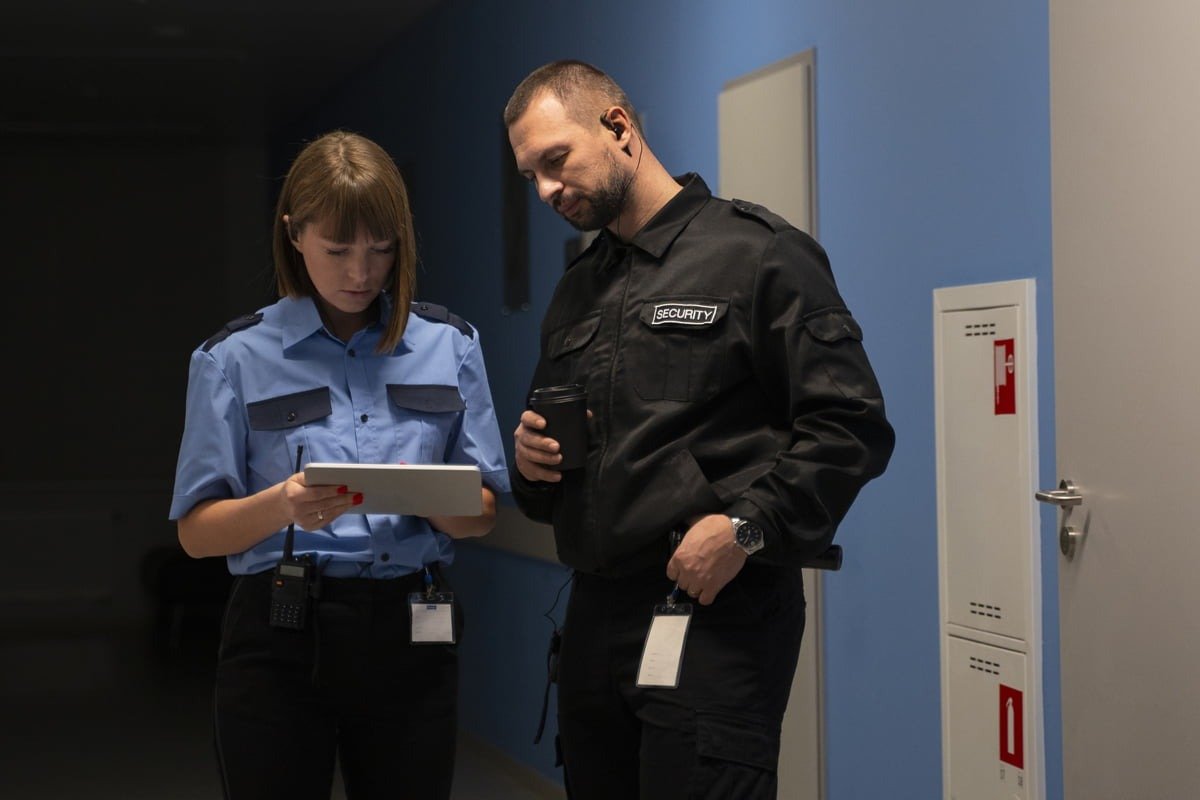
Security services play a crucial role in managing emergency situations where immediate action is required to protect people, property, and assets. These emergencies can include fire incidents, medical emergencies, break-ins, or any unexpected threat. A well-trained security team ensures quick response to minimize damage and maintain safety. Their presence helps reduce panic and brings order during chaotic situations. Effective emergency handling depends on preparation, awareness, and fast decision-making. In modern environments, security services act as the first line of defense before emergency authorities arrive.
Understanding Emergency Situations in Security
Emergency situations in security refer to unexpected events that pose a threat to life, property, or business operations. These may include theft attempts, fire outbreaks, violent behavior, or medical crises. Security teams are trained to identify these situations quickly and assess their severity. Understanding the nature of the emergency helps in choosing the right response strategy. Different emergencies require different handling approaches, so classification is very important. Proper understanding ensures faster and more effective decision-making during critical moments.
Initial Threat Detection and Reporting
The first step in handling emergencies is detecting the threat as early as possible. Security staff use CCTV cameras, alarm systems, patrol inspections, and public alerts to identify unusual activity. Once a potential threat is noticed, it is immediately reported to the control room or supervisor. Quick reporting ensures that response actions begin without delay. Accurate communication at this stage is very important to avoid confusion. Early detection significantly reduces the impact of emergencies and helps in controlling situations before they escalate.
Immediate Response Procedures
Once an emergency is confirmed, security personnel take immediate action to control the situation. This includes securing the affected area, ensuring people’s safety, and preventing further damage. Guards are trained to stay calm and act quickly under pressure. They follow predefined emergency protocols based on the type of incident. Their priority is always human safety before property protection. Fast and organized response helps reduce chaos and ensures the situation remains under control until backup arrives.
Communication and Coordination
Effective communication is essential during emergency situations. Security teams maintain constant contact with control rooms, management, and emergency services. They provide real-time updates so that necessary support can be arranged quickly. Coordination with police, fire brigade, or medical teams ensures professional handling of the situation. Clear communication reduces misunderstandings and speeds up response time. Without proper coordination, emergency situations can become more dangerous and harder to control.
Evacuation and Crowd Control
In emergencies, managing people safely is a major responsibility of security services. Trained guards guide individuals toward safe exits in an organized manner. They ensure that panic does not spread and that no one is left behind. Crowd control techniques are used to prevent stampedes or injuries. Security personnel also assist vulnerable individuals such as children, elderly people, or injured persons. Proper evacuation procedures help save lives and maintain order during critical situations.
Use of Technology in Emergency Handling
Modern security services rely heavily on technology to handle emergencies efficiently. CCTV surveillance systems help monitor incidents in real time. Alarm systems immediately alert security staff about potential threats. Access control systems restrict unauthorized entry during emergencies. Some advanced setups also include automated alerts and digital reporting tools. Technology improves response speed and accuracy. It allows security teams to act faster and make better-informed decisions.
Risk Assessment and Situation Control
After the initial response, security teams assess the level of risk involved in the situation. They analyze whether the threat is still active or under control. Based on this assessment, further action plans are implemented. Their goal is to stabilize the situation until external emergency services arrive. Continuous monitoring ensures that no new risks emerge. Proper risk assessment helps prevent further escalation and ensures complete control of the environment.
Post-Emergency Reporting and Analysis
Once the situation is resolved, a detailed report is prepared by the security team. This report includes the cause of the incident, actions taken, and outcomes. It is reviewed by management to identify weaknesses in the response process. Lessons learned are used to improve future emergency handling strategies. Documentation also helps in legal or insurance processes if required. Post-emergency analysis is essential for continuous improvement of security systems.
Training and Preparedness of Security Staff
Security personnel undergo regular training to handle different types of emergencies. This includes fire drills, first aid training, evacuation procedures, and crisis management. Training helps them stay calm and confident during real incidents. Preparedness ensures faster and more effective response in critical situations. Regular practice also improves teamwork and coordination among staff members. Well-trained security teams are the backbone of effective emergency management.
Challenges Faced During Emergency Situations
Security teams often face several challenges during emergencies. These include panic among people, lack of communication, or delayed response from external services. High-pressure environments make decision-making more difficult. Large crowds can also make control more complex. Despite these challenges, trained professionals use experience and protocols to manage situations effectively. Overcoming these difficulties requires strong leadership and quick thinking.
Why Choose Northgate Facilities
Northgate Facilities is a trusted name in providing professional security and facilities management services. The company focuses on delivering fast, reliable, and well-trained emergency response teams. Their staff is highly trained in handling critical situations with professionalism and care. They use modern technology and strict protocols to ensure maximum safety. Northgate Facilities emphasizes preparedness, ensuring every emergency is managed efficiently. Their commitment to safety and excellence makes them a reliable choice for businesses and organizations.
Trusted Professional Security Services
Northgate Facilities is widely recognized for delivering reliable and professional security and facilities management solutions. The company has built a strong reputation by consistently providing high-quality services to businesses and organizations. Their approach is based on trust, discipline, and accountability. Clients rely on them for maintaining safe and secure environments. Over the years, they have become a dependable choice for handling both routine and emergency security needs. Their credibility makes them stand out in the industry.
Fast and Reliable Emergency Response
One of the key strengths of Northgate Facilities is its quick response during emergency situations. Their teams are trained to react immediately to threats such as fire incidents, security breaches, or medical emergencies. Speed is critical in such situations, and their staff ensures no time is wasted. They follow structured emergency protocols to minimize risks and damage. This fast response system helps protect both people and property. Reliability in urgent situations is a core part of their service delivery.
Highly Trained Security Staff
Northgate Facilities employs well-trained security professionals who are equipped to handle complex and high-pressure situations. Their staff undergoes regular training in emergency response, crowd control, and safety procedures. This ensures they remain calm and effective during critical incidents. Training also includes communication skills and coordination with emergency services. Skilled personnel make a significant difference in controlling emergencies efficiently. Their expertise builds confidence among clients and stakeholders.
Advanced Technology and Monitoring Systems
The company integrates modern technology into its security operations to improve efficiency and response time. CCTV surveillance systems, alarm monitoring, and access control tools help in early threat detection. Real-time monitoring allows security teams to act before situations escalate. Technology also supports better communication and reporting during emergencies. These systems enhance accuracy and reduce human error. By combining manpower with technology, they ensure stronger protection.
Strong Focus on Safety and Preparedness
Safety is a top priority for Northgate Facilities in every service they provide. They focus heavily on preparedness through regular drills and planning for different emergency scenarios. Their teams are trained to handle unexpected situations with confidence and control. Preventive measures are also implemented to reduce the chances of incidents. This proactive approach ensures higher safety standards. Preparedness allows them to respond effectively when emergencies occur.
Commitment to Excellence and Client Satisfaction
Northgate Facilities is dedicated to delivering high-quality services that meet client expectations. They continuously improve their systems and training to maintain excellence. Client satisfaction is a key focus, and they aim to build long-term relationships based on trust. Their professional approach ensures consistent performance in all situations. Businesses and organizations choose them for their reliability and strong service standards. This commitment makes them a preferred security partner.
Conclusion
Security services play a vital role in handling emergency situations with speed, accuracy, and professionalism. From early threat detection to evacuation, communication, and coordination with emergency authorities, every step is designed to protect lives and minimize damage. Well-trained security staff ensure that chaos is controlled and safety is restored as quickly as possible. Their use of modern technology and strict protocols further strengthens their response capabilities. Overall, effective emergency management depends on preparation, teamwork, and continuous training, making security services an essential part of any safe and well-managed environment.
FAQs
What is the first action security takes during an emergency?
Security personnel first assess the situation and secure the affected area. Their priority is to ensure human safety and prevent further escalation. They then report the incident to control rooms or emergency services. Immediate response is crucial to minimize damage. Calm and quick action is essential in this stage. Proper protocols guide every step they take.
How do security teams communicate during emergencies?
Security teams use radios, control rooms, and digital systems for communication. They provide real-time updates to ensure coordinated action. Clear communication helps avoid confusion and delays. Supervisors guide field staff based on incoming information. Coordination with external agencies is also maintained. Effective communication improves response efficiency.
Do security services work with emergency authorities?
Yes, security services closely coordinate with police, fire departments, and medical teams. They provide them with necessary information about the situation. This cooperation ensures faster and more effective handling of emergencies. Security teams assist in guiding authorities to the incident location. Joint efforts help bring situations under control quickly. Collaboration is essential for public safety.
What training do security guards receive for emergencies?
Security guards receive training in fire safety, first aid, evacuation procedures, and crisis management. They also practice real-life emergency drills regularly. Training helps them stay prepared for unexpected situations. It improves their confidence and decision-making skills. Continuous learning is part of their professional development. Well-trained staff handle emergencies more effectively.
How does technology help in emergency security management?
Technology like CCTV, alarms, and access control systems helps detect threats early. It provides real-time monitoring of incidents. Automated alerts ensure faster response times. Digital tools improve communication and coordination. Technology also helps in documenting incidents for future analysis. It significantly enhances overall security efficiency.