
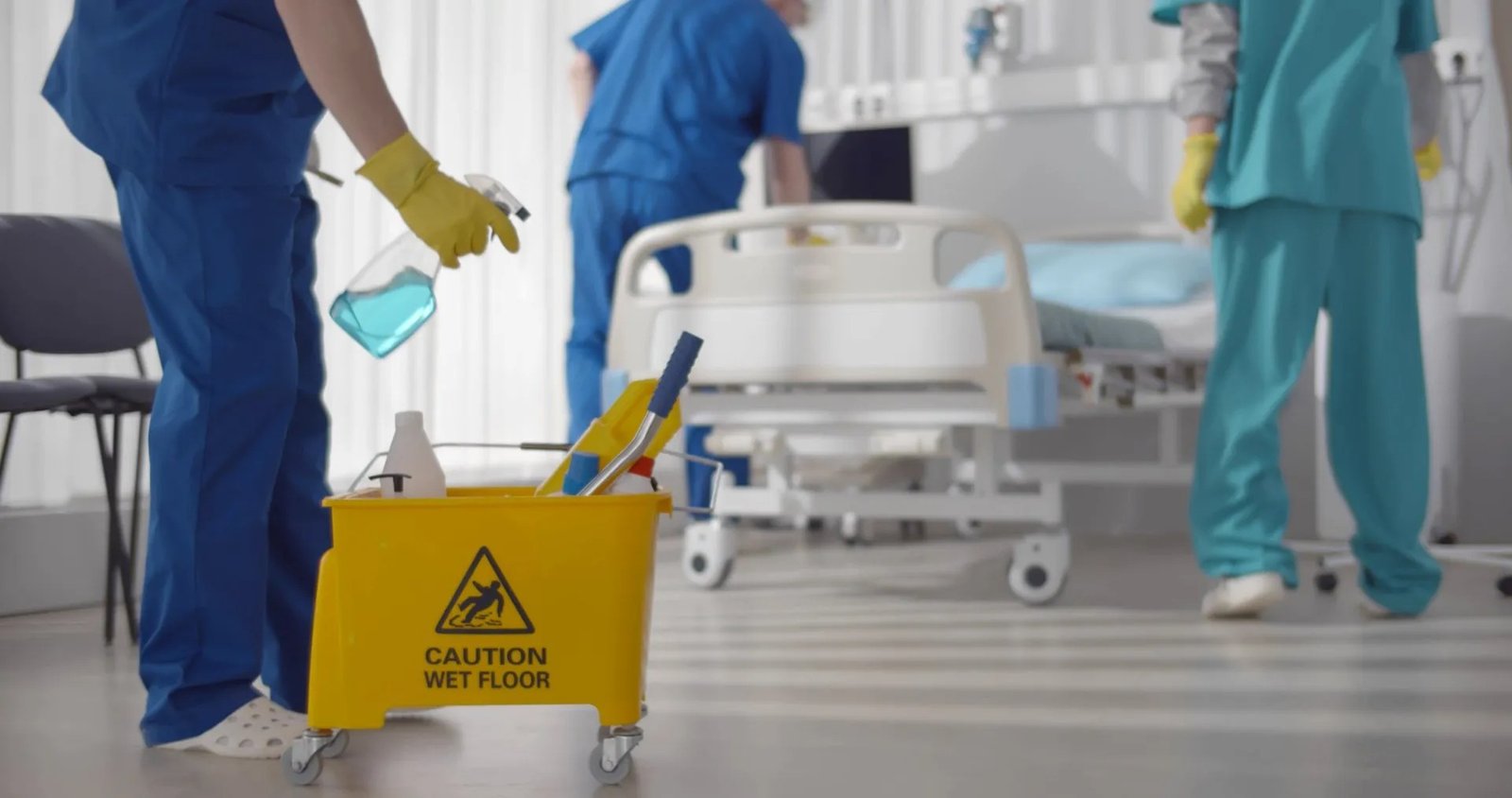
Cleanliness in healthcare environments is not just about appearance, it directly impacts patient safety and recovery. Hospitals and clinics are high-risk areas where bacteria and viruses can easily spread if proper hygiene is not maintained. Healthcare-associated infections are a growing concern worldwide, affecting both patients and medical staff. Effective cleaning practices play a vital role in minimizing these risks and creating a safe environment. Professional healthcare cleaning ensures that all areas are properly sanitized using the right techniques and products. Maintaining strict hygiene standards is essential for preventing infections and improving overall healthcare quality.
Understanding Healthcare-Associated Infections (HAIs)
Healthcare-associated infections are infections that patients acquire while receiving treatment in medical facilities. These infections can develop due to exposure to contaminated surfaces, equipment, or even healthcare workers. Common types include bloodstream infections, urinary tract infections, and surgical site infections. The spread of these infections is often linked to poor hygiene and inadequate cleaning practices. HAIs can lead to serious complications, longer hospital stays, and increased healthcare costs. Understanding how these infections occur highlights the importance of proper cleaning and infection control measures.
The Role of Healthcare Cleaning in Infection Prevention
Healthcare cleaning plays a crucial role in breaking the chain of infection within medical environments. Regular cleaning removes dirt, germs, and contaminants from surfaces, reducing the chances of transmission. Disinfection further eliminates harmful microorganisms that may cause infections. By maintaining a consistent cleaning schedule, healthcare facilities can significantly reduce infection risks. Special attention is given to high-risk areas where bacteria are more likely to thrive. Effective cleaning practices ensure a safer environment for patients, visitors, and healthcare staff.
Key Areas That Require Strict Cleaning
Certain areas in healthcare facilities require more frequent and detailed cleaning due to their high risk of contamination. Patient rooms and wards must be cleaned regularly to prevent the spread of infections between patients. Operating theatres require strict sterilization to ensure a safe surgical environment. Intensive Care Units (ICUs) demand constant cleaning due to the vulnerability of patients. Waiting areas and public spaces also need proper sanitation as they experience high foot traffic. Medical equipment and high-touch surfaces must be disinfected frequently to maintain hygiene standards.
Cleaning vs Disinfection vs Sterilization
Cleaning, disinfection, and sterilization are three essential processes in healthcare hygiene, each serving a different purpose. Cleaning involves removing visible dirt and debris from surfaces, which is the first step in infection control. Disinfection uses chemicals to kill harmful microorganisms on surfaces. Sterilization goes a step further by eliminating all forms of microbial life, including spores. Each method is used in specific situations depending on the level of risk involved. Understanding these differences ensures that the correct approach is applied in each healthcare setting.
Use of Proper Cleaning Products and Equipment
Using the right cleaning products is essential for effective infection control in healthcare environments. Hospital-grade disinfectants are specifically designed to eliminate harmful bacteria and viruses. Eco-friendly cleaning solutions are also used to ensure safety for patients and staff. Advanced equipment such as fogging machines and UV cleaning systems enhance the effectiveness of sanitation. Proper tools help reach difficult areas and ensure thorough cleaning. Choosing the right products and equipment improves hygiene standards and reduces infection risks.
Importance of Trained Cleaning Staff
Trained cleaning staff are a critical part of maintaining hygiene in healthcare facilities. They are educated in infection control protocols and understand the importance of proper cleaning techniques. The use of Personal Protective Equipment (PPE) ensures their safety while handling contaminated materials. Skilled staff follow strict guidelines to prevent cross-contamination between different areas. Regular training keeps them updated on the latest cleaning methods and safety standards. Their expertise ensures consistent and high-quality cleaning results.
High-Touch Surface Cleaning
High-touch surfaces are one of the main sources of infection transmission in healthcare settings. Items such as door handles, bed rails, light switches, and medical equipment are frequently touched by multiple people. These surfaces can easily harbor harmful microorganisms if not cleaned regularly. Frequent disinfection of these areas helps reduce the spread of germs. Special attention is required to ensure that these surfaces are cleaned multiple times a day. Proper high-touch cleaning significantly lowers the risk of cross-contamination.
Waste Management and Infection Control
Proper waste management is essential for preventing infections in healthcare facilities. Medical waste, including used syringes, bandages, and other hazardous materials, must be handled carefully. Incorrect disposal can lead to contamination and increase infection risks. Segregation of waste into different categories ensures safe handling and disposal. Following strict guidelines helps protect both healthcare workers and patients. Effective waste management plays a key role in maintaining a clean and safe environment.
Benefits of Professional Healthcare Cleaning Services
Professional healthcare cleaning services offer numerous benefits for medical facilities. They help reduce infection rates by ensuring thorough and consistent cleaning practices. Patients feel safer and more comfortable in a clean and hygienic environment. These services ensure compliance with healthcare regulations and standards. Advanced tools and trained staff improve the overall quality of cleaning. Investing in professional cleaning enhances the reputation and reliability of healthcare facilities.
Reduced Risk of Infections
One of the most important benefits of professional healthcare cleaning is the significant reduction in infection rates. Trained cleaning teams follow strict infection control protocols to eliminate harmful bacteria and viruses. Regular disinfection of high-touch surfaces prevents the spread of pathogens between patients and staff. This helps in minimizing healthcare-associated infections (HAIs) and ensures a safer environment. By breaking the chain of infection, professional cleaning directly contributes to better patient outcomes. Consistent hygiene practices also protect vulnerable patients with weakened immune systems.
Compliance with Healthcare Regulations
Healthcare facilities must follow strict hygiene and sanitation standards set by regulatory authorities. Professional cleaning services are well-versed in these guidelines and ensure full compliance at all times. They use approved cleaning agents and follow proper procedures for disinfection and waste disposal. This reduces the risk of penalties, legal issues, or facility shutdowns due to non-compliance. Regular audits and quality checks are also maintained to meet industry standards. Compliance not only ensures safety but also builds trust with patients and authorities.
Improved Patient Safety and Comfort
A clean healthcare environment plays a major role in improving patient comfort and confidence. Patients are more likely to feel safe and relaxed in a well-maintained and hygienic space. Professional cleaning ensures that rooms, waiting areas, and restrooms are spotless and sanitized. This reduces stress and enhances the overall patient experience. Clean surroundings also contribute to faster recovery by minimizing exposure to harmful germs. Maintaining high hygiene standards reflects a facility’s commitment to patient care.
Use of Advanced Cleaning Equipment and Techniques
Professional healthcare cleaning services use modern tools and advanced technologies to deliver superior results. Equipment such as electrostatic sprayers, fogging machines, and UV disinfection systems ensure deep and effective cleaning. These technologies help reach areas that are difficult to clean with traditional methods. The use of high-quality disinfectants ensures maximum elimination of microorganisms. Advanced techniques also save time while maintaining high efficiency. This results in a more thorough and reliable cleaning process.
Trained and Skilled Cleaning Staff
Professional cleaning teams are specially trained to handle healthcare environments. They understand infection control measures, proper chemical usage, and safe cleaning techniques. The use of Personal Protective Equipment (PPE) ensures their safety while working in high-risk areas. Their training helps prevent cross-contamination between different zones within a facility. Regular skill updates keep them informed about the latest cleaning standards and technologies. Skilled staff ensure consistent, high-quality cleaning results every time.
Enhanced Facility Reputation
Cleanliness has a direct impact on the reputation of any healthcare facility. Patients and visitors are more likely to trust a hospital that maintains high hygiene standards. Professional cleaning services help create a positive impression and build credibility. A well-maintained environment reflects professionalism and attention to detail. This can lead to higher patient satisfaction and better reviews. A strong reputation also helps healthcare providers stand out in a competitive market.
Efficient Waste Management
Healthcare cleaning services include proper handling and disposal of medical waste. This is essential for preventing contamination and maintaining safety. Professional teams follow strict protocols for segregating hazardous and non-hazardous waste. Safe disposal methods reduce environmental impact and health risks. Proper waste management also ensures compliance with legal requirements. This contributes to a cleaner and safer healthcare environment.
Cost-Effective in the Long Run
Although professional cleaning services require investment, they prove cost-effective over time. Preventing infections reduces the need for additional treatments and hospital stays. Proper maintenance also extends the lifespan of medical equipment and infrastructure. Efficient cleaning reduces the chances of damage caused by improper methods. It also minimizes the risk of legal issues related to poor hygiene. Overall, professional cleaning helps healthcare facilities save money while maintaining high standards.
Consistent and Reliable Cleaning Standards
Consistency is key in maintaining hygiene in healthcare settings. Professional cleaning services follow structured schedules and detailed checklists to ensure no area is overlooked. Regular monitoring and quality control ensure that standards are maintained at all times. This reliability helps healthcare providers focus on patient care without worrying about cleanliness. Consistent cleaning also ensures long-term infection control. A dependable cleaning system is essential for smooth facility operations.
Customized Cleaning Plans
Every healthcare facility has unique cleaning requirements depending on its size and services. Professional cleaning companies offer tailored cleaning plans to meet specific needs. High-risk areas such as ICUs and operating rooms receive specialized attention. Flexible schedules ensure minimal disruption to daily operations. Customized solutions improve efficiency and ensure better results. This personalized approach enhances overall hygiene and safety.
Why Choose Northgate Facilities
Northgate Facilities provides expert healthcare cleaning services tailored to meet strict industry standards. Their trained staff understands infection control and uses advanced cleaning techniques for maximum safety. They follow all health and safety regulations to ensure compliance and quality assurance. With a strong focus on hygiene, they help reduce infection risks in healthcare environments. Their reliable and consistent service ensures that every area is cleaned to the highest standards. Choosing Northgate Facilities means choosing safety, professionalism, and peace of mind.
Conclusion
Healthcare cleaning is a vital part of infection prevention and patient safety. Proper cleaning, disinfection, and waste management significantly reduce the spread of harmful microorganisms. High-risk areas and frequently touched surfaces require special attention to maintain hygiene. Trained staff and advanced cleaning methods ensure effective results. Investing in professional cleaning services improves healthcare quality and reduces infection risks. Maintaining a clean healthcare environment is essential for protecting both patients and medical staff.
FAQs
What is healthcare cleaning?
Healthcare cleaning involves specialized cleaning practices designed to maintain hygiene in medical environments. It focuses on reducing germs, bacteria, and viruses that can cause infections.
How does cleaning prevent infections?
Cleaning removes dirt and harmful microorganisms from surfaces. Regular disinfection kills germs and reduces the chances of infection spreading.
What are high-touch surfaces in hospitals?
High-touch surfaces include door handles, bed rails, switches, and medical equipment. These areas require frequent cleaning to prevent contamination.
Why is trained staff important in healthcare cleaning?
Trained staff understand infection control protocols and proper cleaning techniques. Their expertise ensures effective and safe cleaning practices.
How often should healthcare facilities be cleaned?
Healthcare facilities should be cleaned daily, with high-risk and high-touch areas disinfected multiple times a day to maintain hygiene.