Healthcare cleaning services have become more advanced in 2026 as hospitals, clinics, and medical centers prioritize patient safety and infection prevention. New technologies, stricter healthcare regulations, and sustainable cleaning practices are changing how facilities maintain clean environments. Understanding these trends helps healthcare providers choose cleaning solutions that improve hygiene, reduce risks, and create safer spaces for patients and staff.
Why Healthcare Cleaning Standards Continue to Evolve
Healthcare cleaning standards continue to evolve because new infectious diseases, antibiotic-resistant bacteria, and changing healthcare regulations demand higher levels of cleanliness. Medical facilities must maintain strict sanitation protocols to protect patients, visitors, and healthcare workers. Continuous improvements in cleaning methods also help reduce healthcare-associated infections (HAIs) and improve overall healthcare quality.
Rising Awareness of Healthcare-Associated Infections (HAIs)
Healthcare-associated infections remain one of the biggest concerns for hospitals worldwide. Proper cleaning and disinfection significantly reduce the spread of harmful bacteria and viruses. As awareness grows, healthcare facilities invest more in specialized cleaning services to maintain safer environments.
Increasing Expectations from Patients, Healthcare Providers, and Regulators
Patients now expect healthcare facilities to maintain exceptional cleanliness at all times. Healthcare providers and government agencies also enforce stricter sanitation standards to improve public health. Meeting these expectations requires professional cleaning teams and advanced cleaning technologies.
The Role of Environmental Hygiene in Improving Patient Outcomes
A clean healthcare environment directly contributes to faster patient recovery and fewer hospital-acquired infections. Proper environmental hygiene minimizes contamination on surfaces and equipment used daily. Maintaining spotless facilities also enhances patient confidence and satisfaction.
AI-Powered Cleaning Management Systems
Artificial intelligence is transforming healthcare cleaning by making scheduling, monitoring, and reporting more accurate. AI systems help cleaning managers allocate resources efficiently while ensuring no critical area is overlooked. These smart technologies improve accountability and cleaning consistency.
Smart Scheduling and Task Automation
AI software automatically creates cleaning schedules based on patient traffic, room occupancy, and risk levels. This reduces manual planning and ensures high-priority areas receive timely attention. Automated scheduling also improves workforce productivity.
Real-Time Staff Monitoring
Digital monitoring systems allow supervisors to track completed cleaning tasks instantly. Managers can identify missed areas and respond quickly to cleaning requirements. Real-time monitoring improves service quality and operational transparency.
Digital Cleaning Checklists and Reporting
Electronic checklists replace traditional paper records with digital documentation. Staff can record completed tasks using mobile devices, making inspections easier and more reliable. Digital reports also support healthcare compliance audits.
Robotics and Automated Cleaning Equipment
Automation continues to reshape healthcare cleaning by reducing manual labor and increasing cleaning efficiency. Modern robots perform repetitive cleaning tasks with precision while supporting infection prevention. These systems complement professional cleaning teams rather than replacing them.
Autonomous Floor Cleaning Robots
Self-guided floor cleaning robots clean corridors, waiting rooms, and public spaces with minimal supervision. They maintain consistent cleaning quality while allowing staff to focus on specialized cleaning tasks. Their use also improves productivity in large healthcare facilities.
UV-C Disinfection Robots
UV-C robots use ultraviolet light to destroy bacteria, viruses, and other harmful microorganisms. These robots are commonly deployed after manual cleaning for enhanced disinfection. They provide an additional layer of protection in high-risk healthcare environments.
Reduced Human Error and Increased Efficiency
Automated cleaning equipment follows programmed routes and procedures without skipping critical areas. This reduces inconsistencies that may occur during manual cleaning. Improved efficiency also helps facilities maintain high hygiene standards around the clock.
Enhanced Infection Prevention Protocols
Healthcare facilities continue strengthening infection prevention strategies to protect vulnerable patients. Enhanced cleaning protocols focus on disinfecting frequently touched surfaces and minimizing cross-contamination. These practices significantly reduce the spread of infectious diseases.
High-Touch Surface Disinfection
Frequently touched surfaces such as door handles, elevator buttons, bed rails, and reception counters require repeated disinfection throughout the day. Regular cleaning minimizes microbial contamination and lowers infection risks. High-touch surface cleaning remains a top healthcare priority.
Terminal Cleaning Best Practices
Terminal cleaning involves deep cleaning patient rooms after discharge or transfer. Every surface, fixture, and piece of equipment is thoroughly disinfected before admitting a new patient. This process helps prevent cross-infection between patients.
Color-Coded Cleaning Systems
Color-coded cleaning cloths and mops reduce the risk of cross-contamination between different hospital areas. Each color is assigned to a specific zone or cleaning purpose. This simple system improves hygiene and supports standardized cleaning procedures.
Eco-Friendly and Sustainable Cleaning Solutions
Sustainability has become an important focus in healthcare cleaning services. Facilities increasingly adopt environmentally friendly products and resource-efficient cleaning methods without compromising hygiene. Green cleaning supports both public health and environmental responsibility.
Green Certified Cleaning Products
Certified eco-friendly cleaning products contain safer ingredients while maintaining effective disinfection performance. These products reduce harmful chemical exposure for patients and cleaning staff. They also contribute to healthier indoor environments.
Reduced Chemical Usage
Modern cleaning technologies require fewer harsh chemicals while delivering excellent sanitation results. Controlled chemical application minimizes waste and improves workplace safety. Reduced chemical usage also supports environmental sustainability goals.
Waste Reduction Initiatives
Healthcare facilities are implementing recycling programs and better waste management practices alongside professional cleaning services. Efficient waste disposal reduces environmental impact and improves operational efficiency. Sustainable practices also strengthen healthcare organizations' reputations.
Data-Driven Quality Assurance
Healthcare cleaning companies increasingly use digital data to measure cleaning performance and maintain quality standards. Data-driven systems provide measurable insights that improve accountability and continuous improvement. Accurate reporting also simplifies regulatory compliance.
Digital Audits and Inspections
Electronic inspections replace manual paperwork with digital assessments that provide instant results. Supervisors can quickly identify areas needing improvement and verify completed work. Digital audits increase transparency and consistency.
Performance Dashboards
Interactive dashboards display cleaning performance metrics, task completion rates, and inspection results in real time. Managers use these insights to improve scheduling and resource allocation. Better visibility leads to higher cleaning standards.
Compliance Reporting
Detailed digital reports help healthcare facilities demonstrate compliance with industry regulations and accreditation requirements. Organized documentation simplifies inspections and audits. Accurate records also support continuous quality improvement.
Electrostatic Spraying Technology
Electrostatic spraying has become a preferred disinfection method because it evenly coats surfaces with disinfectant. Charged droplets wrap around objects to reach difficult areas that traditional spraying may miss. This technology improves cleaning effectiveness and efficiency.
How Electrostatic Sprayers Work
Electrostatic sprayers charge disinfectant particles before releasing them onto surfaces. The charged droplets cling evenly to equipment, furniture, and other objects. This creates more complete surface coverage with less product.
Benefits for Large Healthcare Facilities
Large hospitals benefit from faster disinfection across extensive areas using electrostatic technology. The process reduces cleaning time while maintaining high sanitation standards. It also improves consistency throughout large healthcare campuses.
Faster and More Uniform Disinfection
Electrostatic spraying covers complex surfaces more effectively than conventional methods. Uniform coverage reduces the chance of untreated areas remaining contaminated. Faster application also minimizes disruptions to healthcare operations.
Focus on Air Quality and Indoor Hygiene
Healthcare cleaning now extends beyond visible surfaces to include indoor air quality management. Clean air reduces the spread of airborne pathogens and supports healthier environments. Proper ventilation works alongside surface cleaning for comprehensive infection control.
HEPA Filtration Support
HEPA filtration systems capture microscopic airborne particles, including bacteria and allergens. Regular maintenance of these systems improves indoor air quality throughout healthcare facilities. Cleaner air contributes to safer patient care environments.
Airborne Infection Control
Modern healthcare cleaning strategies address airborne contaminants using advanced ventilation and air purification technologies. These systems reduce the spread of respiratory illnesses within healthcare settings. Combined cleaning measures create stronger infection prevention programs.
HVAC Cleaning and Maintenance
Routine HVAC cleaning removes dust, mold, and contaminants from ventilation systems. Proper maintenance improves airflow and enhances overall indoor hygiene. Well-maintained HVAC systems also support energy efficiency.
Specialized Cleaning for High-Risk Areas
Certain healthcare spaces require enhanced cleaning because they involve higher infection risks. Specialized procedures protect patients undergoing critical treatments and complex medical procedures. Trained professionals follow strict protocols in these sensitive environments.
Operating Rooms
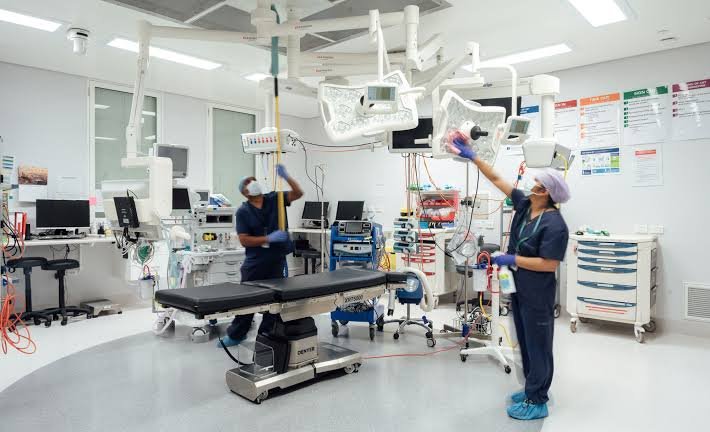
Operating rooms require meticulous cleaning before and after every surgical procedure. Sterile environments reduce surgical site infections and improve patient safety. Every surface must meet strict healthcare cleanliness standards.
Intensive Care Units (ICUs)
ICUs care for patients with weakened immune systems who require exceptional infection protection. Continuous cleaning and disinfection reduce exposure to harmful microorganisms. Strict protocols help safeguard vulnerable patients.
Isolation Rooms
Isolation rooms house patients with contagious illnesses that require specialized cleaning procedures. Dedicated equipment and protective measures prevent cross-contamination. Thorough disinfection supports effective infection control.
Laboratories and Diagnostic Centers
Laboratories handle biological samples that require careful sanitation and contamination control. Specialized cleaning protects sample integrity and staff safety. Regular disinfection maintains compliance with healthcare standards.
Better Staff Training and Certification
Professional cleaning staff receive ongoing education to keep pace with evolving healthcare standards. Training improves cleaning consistency, workplace safety, and infection prevention practices. Well-trained personnel deliver higher-quality cleaning services.
Continuous Education Programs
Regular training ensures cleaning professionals stay updated on new products, technologies, and regulations. Continuous learning improves technical skills and workplace confidence. Education supports long-term service quality.
Infection Control Training
Specialized infection control training teaches proper cleaning techniques for healthcare environments. Staff learn correct disinfection procedures, PPE usage, and contamination prevention methods. This knowledge reduces infection risks throughout facilities.
Standard Operating Procedures (SOPs)
Clear standard operating procedures guide staff through consistent cleaning processes. SOPs ensure every task follows healthcare industry best practices. Standardization improves quality and regulatory compliance.
Technology-Enabled Compliance
Digital technologies simplify compliance management by recording every cleaning activity electronically. Healthcare facilities can quickly verify completed tasks during inspections. Technology improves transparency and reduces administrative workloads.
QR Code Cleaning Verification
QR codes placed in healthcare rooms allow staff to verify completed cleaning tasks instantly. Supervisors can review service history using mobile devices. This system improves accountability and audit readiness.
Mobile Inspection Apps
Mobile applications enable supervisors to perform inspections, document issues, and assign corrective actions in real time. Faster communication improves operational efficiency. Digital inspections also reduce paperwork.
Digital Record Keeping
Electronic cleaning records provide accurate documentation for regulatory inspections and internal quality reviews. Secure digital storage makes historical information easy to access. Reliable records strengthen compliance management.
Benefits of Adopting Modern Healthcare Cleaning Practices
Modern healthcare cleaning services reduce infection risks, improve patient confidence, and increase operational efficiency. Advanced technologies help maintain consistent cleaning quality while supporting healthcare regulations. Investing in modern cleaning solutions creates healthier environments for everyone.
Improved Patient Safety
Professional cleaning significantly lowers the risk of disease transmission throughout healthcare facilities. Cleaner environments support better recovery outcomes and patient wellbeing. Patient safety remains the highest priority.
Lower Infection Rates
Consistent cleaning and disinfection reduce healthcare-associated infections and improve overall public health. Lower infection rates decrease treatment costs and hospital readmissions. Effective cleaning protects both patients and staff.
Regulatory Compliance
Healthcare facilities must comply with strict cleaning regulations established by health authorities. Professional cleaning services help organizations meet inspection requirements consistently. Compliance also protects institutional reputation.
Increased Operational Efficiency
Modern cleaning technologies streamline workflows and reduce unnecessary labor costs. Automated systems improve scheduling and resource management. Greater efficiency allows healthcare facilities to focus on patient care.
Better Patient Satisfaction
Patients are more comfortable and confident in visibly clean healthcare environments. High cleanliness standards improve the overall patient experience and strengthen trust. Positive impressions also enhance healthcare facility reputation.
Challenges Healthcare Facilities Face in 2026
Healthcare organizations continue facing staffing shortages, rising operational costs, and rapidly changing regulations. Investing in advanced cleaning technology can also require significant financial resources. Strategic planning helps facilities overcome these ongoing challenges.
Staffing Shortages
Finding qualified healthcare cleaning professionals remains difficult in many regions. Training and retaining experienced staff is essential for maintaining cleaning quality. Workforce planning continues to be a major priority.
Rising Operational Costs
Inflation and increased supply costs affect healthcare cleaning budgets. Facilities seek efficient cleaning solutions that maintain quality while controlling expenses. Technology helps improve cost-effectiveness over time.
Keeping Up with New Regulations
Healthcare regulations continue evolving as infection prevention standards become more stringent. Facilities must regularly update cleaning procedures to remain compliant. Continuous staff education supports regulatory readiness.
Technology Adoption Costs
Purchasing advanced cleaning equipment and software requires upfront investment. However, long-term savings often outweigh initial expenses through improved efficiency. Careful budgeting helps organizations maximize return on investment.
How to Choose a Healthcare Cleaning Service in 2026
Selecting the right healthcare cleaning provider requires careful evaluation of experience, certifications, technology, and service quality. A trusted company should understand healthcare regulations and provide customized cleaning plans. Consistent communication and quality assurance are equally important.
Industry Experience
Experienced healthcare cleaning providers understand the unique requirements of hospitals, clinics, and medical centers. Their expertise helps maintain consistent hygiene standards. Proven experience also reduces operational risks.
Certified and Trained Staff
Professional certifications demonstrate that cleaning staff understand infection prevention and healthcare cleaning protocols. Ongoing training ensures high-quality service delivery. Qualified teams provide greater confidence and reliability.
Modern Cleaning Equipment
Advanced equipment improves cleaning speed, consistency, and disinfection effectiveness. Technology-driven solutions help maintain superior hygiene standards. Modern tools also increase operational efficiency.
Customized Cleaning Plans
Every healthcare facility has different cleaning requirements based on patient volume and services offered. Customized cleaning schedules ensure all areas receive appropriate attention. Flexible plans improve overall service quality.
Transparent Quality Reporting
Reliable cleaning companies provide detailed reports documenting completed tasks, inspections, and quality checks. Transparent reporting builds trust and supports compliance. Clients can monitor performance with confidence.
Why Choose Northgate Facilities?
Northgate Facilities delivers professional healthcare cleaning services tailored to the unique needs of hospitals, clinics, medical practices, and healthcare centers. The company combines trained cleaning specialists, industry-approved disinfection methods, and advanced equipment to maintain the highest hygiene standards. With a strong focus on infection prevention, regulatory compliance, quality assurance, and customer satisfaction, Northgate Facilities helps healthcare organizations create cleaner, safer, and healthier environments for patients, visitors, and healthcare professionals.
Conclusion
Healthcare cleaning services in 2026 are driven by technology, sustainability, data analytics, and stronger infection prevention practices. Facilities that adopt modern cleaning solutions can improve patient safety, enhance operational efficiency, and maintain compliance with evolving healthcare regulations. Investing in professional healthcare cleaning is no longer optional—it is an essential part of delivering high-quality patient care.
FAQs
What is the most important healthcare cleaning trend in 2026?
AI-powered cleaning management, robotic cleaning systems, and enhanced infection prevention protocols are among the leading trends shaping healthcare cleaning services.
Why is healthcare cleaning different from commercial cleaning?
Healthcare cleaning follows strict infection control procedures, uses hospital-grade disinfectants, and complies with healthcare regulations to protect patients and staff.
How often should high-touch surfaces be disinfected?
High-touch surfaces should be cleaned and disinfected multiple times throughout the day based on patient activity and healthcare facility protocols.
Are eco-friendly cleaning products effective in hospitals?
Yes. Modern green-certified cleaning products provide effective disinfection while reducing environmental impact and improving indoor air quality.
How can professional healthcare cleaning reduce infections?
Professional cleaning removes harmful pathogens, disinfects high-risk areas, prevents cross-contamination, and supports comprehensive infection control programs, helping reduce healthcare-associated infections.