
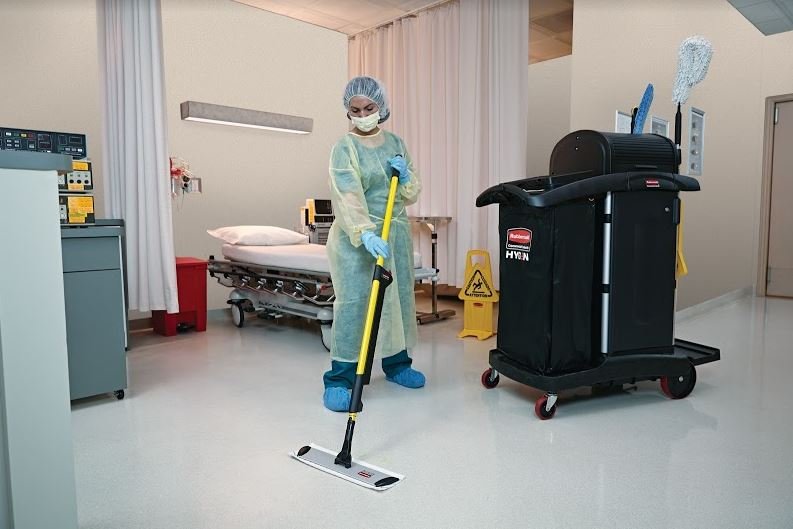
Hospital cleaning services follow strict hygiene and safety standards to ensure a completely sterile environment for patients, staff, and visitors. These standards are designed to prevent the spread of infections and maintain healthcare safety at all levels. Cleaning in hospitals is not like regular cleaning; it requires medical-grade procedures and trained professionals. Every surface, instrument area, and high-touch point must be disinfected properly. International guidelines and local health authorities regulate these practices. The goal is to create a safe, infection-free healthcare environment.
Importance of Cleaning Standards in Hospitals
Cleaning standards in hospitals are essential because even a small lapse can lead to serious infections. Hospitals deal with vulnerable patients whose immunity is often weak. Proper cleaning reduces the risk of hospital-acquired infections (HAIs). It also ensures compliance with healthcare regulations and improves patient trust. Without strict standards, the spread of bacteria and viruses can become uncontrollable. Therefore, structured cleaning protocols are a core part of healthcare management.
Prevention of Infections and Disease Spread
Cleaning standards play a major role in preventing infections in hospital environments. Hospitals are high-risk areas where bacteria and viruses can spread quickly if proper hygiene is not maintained. Even a single contaminated surface can cause serious health issues for patients and staff. Strict cleaning protocols ensure that all surfaces, equipment, and patient areas are properly disinfected. This significantly reduces the chances of hospital-acquired infections (HAIs). As a result, patients recover in a safer and more controlled environment.
Protection of Vulnerable Patients
Hospitals treat patients with weakened immune systems, making them highly vulnerable to infections. Without proper cleaning, even minor exposure to germs can lead to severe complications. Cleaning standards ensure that patient rooms, ICUs, and operation theaters remain sterile and safe. Special attention is given to high-risk zones where critically ill patients are treated. Regular disinfection helps create a controlled environment that supports faster recovery. This protection is essential for maintaining patient safety and care quality.
Compliance with Healthcare Regulations
Hospitals must follow strict regulations set by health authorities and governing bodies. Cleaning standards ensure compliance with organizations like WHO, CDC, and local health departments. These rules define how cleaning should be performed, which chemicals should be used, and how waste should be managed. Non-compliance can lead to penalties, legal issues, and reputational damage. Following proper standards ensures hospitals operate legally and safely. It also builds credibility within the healthcare sector.
Improvement of Patient Trust and Satisfaction
Cleanliness has a direct impact on how patients perceive a hospital. A clean and hygienic environment increases patient confidence and satisfaction. When patients see proper cleaning practices being followed, they feel safer and more comfortable. This trust plays an important role in the hospital’s reputation and success. Good cleaning standards also improve overall patient experience during their stay. Ultimately, cleanliness contributes to a positive healthcare image.
Control of Bacterial and Viral Contamination
Hospitals are environments where harmful microorganisms can spread rapidly if not controlled. Cleaning standards help limit the growth and transmission of bacteria, viruses, and fungi. Regular disinfection of surfaces, medical tools, and waste areas is essential. Proper protocols ensure that contamination does not spread between patients or departments. This controlled environment reduces outbreaks and emergency situations. Effective cleaning is a key defense against infection risks.
Core Part of Healthcare Management
Cleaning standards are not optional but a core part of hospital management systems. They are integrated into daily operations and safety policies. Hospital administrators ensure that cleaning schedules and protocols are strictly followed. Staff are trained regularly to maintain high hygiene levels. This structured approach supports overall healthcare efficiency. Without proper cleaning standards, hospital operations cannot function safely or effectively.
Key Regulatory Bodies and Guidelines
Hospital cleaning services follow guidelines set by global and local health authorities. Organizations like WHO and CDC provide detailed instructions for infection control and sanitation. Local health departments also enforce hygiene rules in medical facilities. These guidelines define how cleaning should be performed in different hospital areas. They also specify disinfectants, methods, and safety procedures. Compliance with these bodies ensures consistent and safe cleaning practices.
World Health Organization (WHO) Guidelines
The World Health Organization provides global standards for infection prevention and hospital hygiene. WHO guidelines focus on safe cleaning practices, hand hygiene, and prevention of healthcare-associated infections. They outline how hospitals should clean patient areas, operation theaters, and isolation rooms. WHO also recommends approved disinfectants and proper waste handling methods. These guidelines are widely followed across countries to maintain international healthcare standards. They help ensure a consistent and safe approach to hospital cleaning worldwide.
Centers for Disease Control and Prevention (CDC) Standards
The CDC provides detailed infection control protocols, especially for hospitals and healthcare facilities. Their guidelines explain how to prevent the spread of bacteria and viruses through proper cleaning and disinfection. They define cleaning frequency, surface disinfection techniques, and protective equipment usage. CDC standards are particularly focused on high-risk areas like ICUs and surgical units. Hospitals use these recommendations to reduce hospital-acquired infections. These rules are widely trusted in modern healthcare systems.
Local Health Authorities and Government Regulations
Local health departments play a key role in enforcing hospital cleaning standards within a country or region. They ensure that healthcare facilities comply with national hygiene laws and safety regulations. These authorities conduct inspections and audits to check cleanliness levels. They also issue licenses and certifications based on compliance. Hospitals must follow these rules to operate legally and safely. Local regulations ensure that global guidelines are adapted to regional healthcare needs.
Hospital Infection Control Committees
Most hospitals have internal infection control committees responsible for implementing cleaning standards. These teams create policies based on WHO, CDC, and local guidelines. They monitor cleaning procedures and ensure staff follow proper protocols. Regular training and updates are provided to cleaning staff. These committees also investigate infection outbreaks and recommend corrective actions. Their role is essential in maintaining day-to-day hygiene standards within hospitals.
Standard Operating Procedures (SOPs) in Hospitals
Hospitals develop their own Standard Operating Procedures based on global and local guidelines. SOPs clearly define cleaning methods for different areas like wards, ICUs, and operation theaters. They specify cleaning frequency, disinfectants, and safety measures. SOPs ensure consistency in cleaning practices across the hospital. Staff are trained to follow these step-by-step instructions. This structured approach helps maintain high levels of cleanliness and safety.
Importance of Compliance and Monitoring
Compliance with cleaning guidelines is critical for patient safety and hospital reputation. Regular monitoring ensures that all cleaning protocols are properly followed. Audits and inspections help identify gaps in hygiene practices. Non-compliance can lead to infections, penalties, and operational risks. Hospitals continuously improve their systems based on feedback and inspections. This ensures long-term safety and effective infection control.
Infection Control Protocols
Infection control is one of the most important parts of hospital cleaning. Staff must use personal protective equipment (PPE) like gloves, masks, and gowns. Proper hand hygiene is strictly followed before and after cleaning tasks. Cleaning teams are trained to avoid cross-contamination between patient areas. Special attention is given to isolation rooms and critical care units. These protocols help stop the spread of harmful microorganisms effectively.
Cleaning and Disinfection Procedures
Hospitals use different cleaning methods depending on the area and risk level. Routine cleaning is done daily to maintain basic hygiene. Deep cleaning is carried out periodically to remove hidden contaminants. Terminal cleaning is performed after patient discharge or surgical procedures. Hospital-grade disinfectants are used to kill bacteria and viruses effectively. Every procedure follows a strict checklist to ensure nothing is missed.
Color-Coded Cleaning Systems
A color-coded system is used to prevent cross-contamination in hospitals. Different colors represent different areas and cleaning tools. For example, red is often used for toilets and high-risk zones. Blue is used for general cleaning areas like wards and corridors. Green is reserved for food preparation or sterile environments. This system ensures that cleaning equipment is not mixed between areas, improving hygiene control.
Waste Management Standards
Hospitals generate biomedical waste that must be handled carefully. Waste is segregated into categories like infectious, sharps, and general waste. Proper disposal methods are followed to prevent environmental contamination. Sharps like needles are placed in puncture-proof containers. Hazardous waste is treated before disposal according to regulations. This system ensures safety for both healthcare workers and the environment.
Staff Training and Certification
Hospital cleaning staff must undergo professional training before working in medical environments. Training includes infection control, chemical handling, and emergency procedures. Regular workshops help staff stay updated with new cleaning technologies. Certifications ensure that workers understand healthcare hygiene standards. Skilled staff reduce the risk of contamination and errors. Continuous learning is essential for maintaining high cleaning quality.
Health and Safety Compliance
Health and safety compliance ensures that cleaning staff work in a safe environment. Proper handling of cleaning chemicals is strictly regulated. Risk assessments are conducted to prevent accidents and exposure. Workers are trained to use equipment safely and efficiently. Safety protocols also include emergency response procedures. These measures protect both staff and hospital patients.
Quality Assurance and Monitoring
Quality control is essential to maintain cleaning standards in hospitals. Supervisors regularly inspect cleaning performance. Checklists are used to ensure all tasks are completed properly. Audits help identify gaps in cleaning processes. Feedback systems improve service quality over time. Continuous monitoring ensures that hygiene standards are always maintained.
Technology and Modern Cleaning Methods
Modern hospitals use advanced cleaning technologies for better results. Electrostatic spraying helps disinfect large areas quickly. UV light systems are used to kill bacteria and viruses. Automated cleaning machines improve efficiency and consistency. These technologies reduce manual effort and increase accuracy. They also help maintain high hygiene standards in critical areas.
Why Choose Northgate Facilities
Northgate Facilities provides professional hospital cleaning services designed to meet international healthcare standards. Their trained staff ensures safe, hygienic, and infection-free environments. They follow strict infection control protocols and use hospital-grade disinfectants. The company focuses on quality assurance and continuous monitoring of services. Their team is skilled in handling sensitive medical environments with care. Choosing Northgate Facilities ensures reliability, safety, and complete peace of mind for healthcare institutions.
Professional Hospital Cleaning Expertise
Northgate Facilities is known for delivering highly professional hospital cleaning services tailored to healthcare environments. Their team understands the complexity of medical cleaning and follows structured procedures for every area. From patient rooms to operation theaters, each space is cleaned with precision and care. The company focuses on maintaining international hygiene standards in every task. Their expertise ensures that healthcare facilities remain safe and compliant. This professional approach makes them a trusted partner for hospitals.
Trained and Skilled Cleaning Staff
The company employs well-trained staff who are experienced in healthcare cleaning protocols. Each team member is trained in infection control, hygiene practices, and safe handling of medical waste. Regular training sessions ensure they stay updated with modern cleaning techniques. Staff members are also trained to work in sensitive and high-risk medical environments. Their skill and discipline help maintain consistent cleaning quality. This ensures reliable and efficient service delivery.
Strict Infection Control Practices
Northgate Facilities follows strict infection control measures to prevent the spread of harmful microorganisms. They use hospital-grade disinfectants that are effective against bacteria and viruses. Proper use of PPE such as gloves, masks, and protective clothing is always ensured. Cleaning procedures are designed to minimize cross-contamination risks. High-touch areas are given special attention during cleaning. These practices help maintain a safe and sterile hospital environment.
Quality Assurance and Continuous Monitoring
The company maintains strong quality assurance systems to ensure high service standards. Regular inspections and performance checks are conducted by supervisors. Cleaning activities are monitored using checklists and compliance reports. Any issues are quickly identified and resolved to maintain consistency. Continuous improvement is a key part of their service model. This ensures that hospitals always receive top-quality cleaning services.
Safe Handling of Sensitive Medical Environments
Healthcare environments require extra care, and Northgate Facilities is fully equipped to handle them. Their staff is trained to clean ICUs, surgical units, and isolation wards with caution. They understand the importance of maintaining sterility in critical areas. Special protocols are followed for handling contaminated zones. This careful approach reduces the risk of infections and contamination. It ensures patient and staff safety at all times.
Reliable and Trusted Healthcare Partner
Northgate Facilities has built a reputation for reliability and trust in the healthcare cleaning industry. They consistently deliver high-quality services that meet client expectations. Their focus on safety, hygiene, and professionalism sets them apart. Hospitals can depend on their services for long-term cleanliness and compliance. Choosing them means peace of mind for healthcare management. They are committed to maintaining safe and hygienic medical facilities.
Conclusion
Hospital cleaning services follow strict and well-defined standards to ensure the highest level of hygiene, safety, and infection control in healthcare environments. These standards are guided by international health organizations and local regulatory bodies to maintain consistency and reliability. From infection prevention protocols to advanced cleaning technologies, every step is designed to protect patients, staff, and visitors. Proper waste management, trained staff, and continuous quality monitoring further strengthen cleanliness in medical facilities. By following these structured practices, hospitals can significantly reduce the risk of infections and improve overall patient care. Ultimately, maintaining these standards is essential for building a safe, trusted, and healthy healthcare system.
FAQs
What are hospital cleaning standards?
They are strict hygiene guidelines used to maintain cleanliness and prevent infections in healthcare facilities.
Who sets hospital cleaning rules?
Organizations like WHO, CDC, and local health authorities define these standards.
Why is infection control important in hospitals?
It helps prevent the spread of harmful diseases and protects patients and staff.
What cleaning methods are used in hospitals?
Routine cleaning, deep cleaning, and terminal cleaning are commonly used methods.
What is biomedical waste management?
It is the safe segregation and disposal of hospital-generated hazardous waste.