
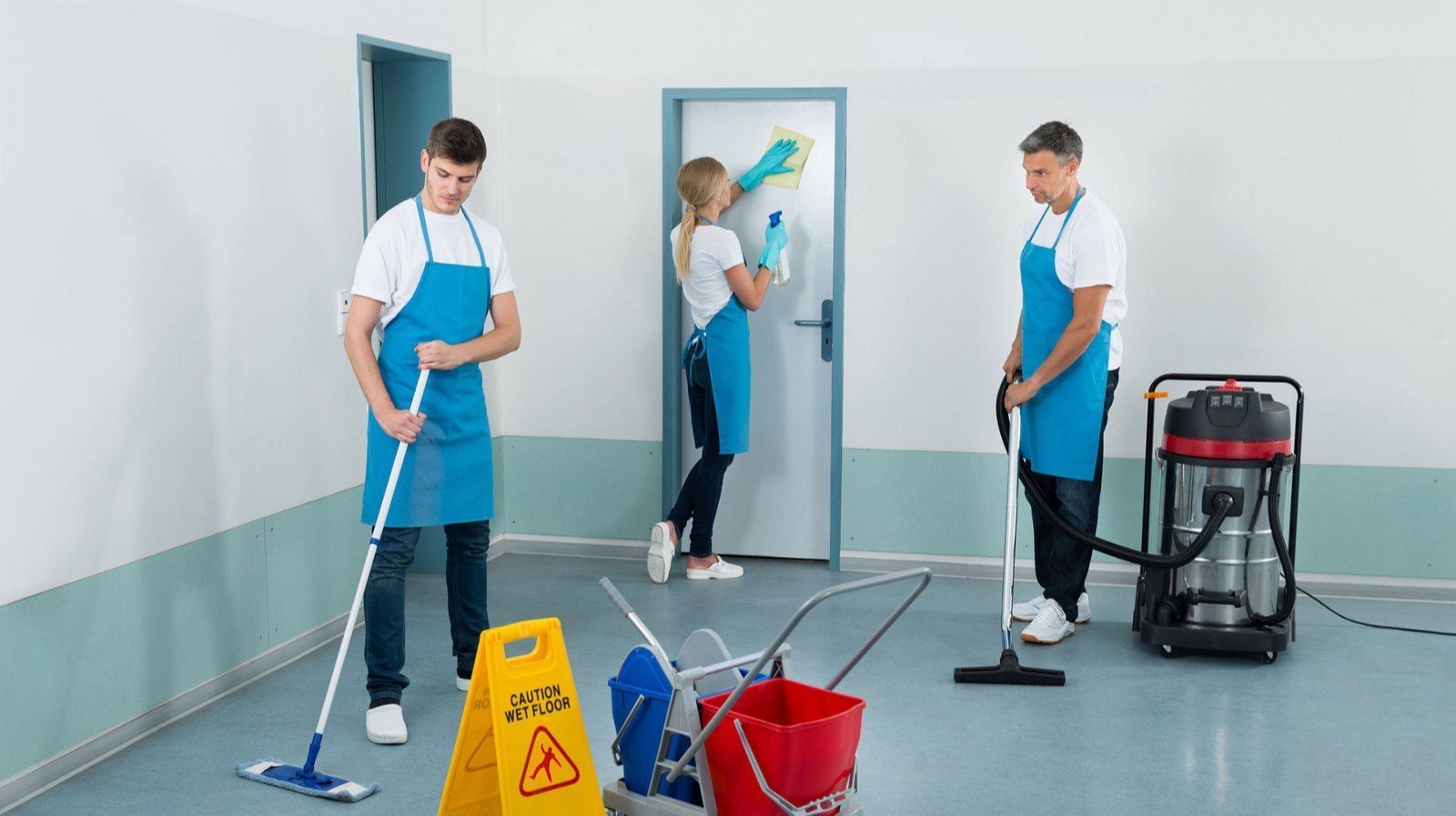
Healthcare facilities require the highest standards of cleanliness to protect patients, staff, and visitors from harmful infections. While routine cleaning helps maintain day-to-day hygiene, it may not eliminate all contaminants hidden in hard-to-reach areas. Deep cleaning involves a more intensive approach that targets bacteria, viruses, and accumulated dirt throughout the facility. Hospitals, clinics, and medical centers handle vulnerable individuals who are at greater risk of infection. Maintaining a thoroughly sanitized environment supports better healthcare outcomes and enhances patient trust. Deep cleaning services play a critical role in ensuring healthcare facilities remain safe, hygienic, and compliant with industry regulations.
Understanding Deep Cleaning Services in Healthcare
What Is Deep Cleaning?
Deep cleaning is a specialized cleaning process designed to remove dirt, pathogens, and contaminants from areas that regular cleaning may overlook. It involves detailed sanitization of floors, walls, ceilings, medical equipment surfaces, ventilation systems, and high-touch points. Healthcare deep cleaning uses hospital-grade disinfectants and advanced cleaning techniques to ensure thorough decontamination. The process helps eliminate harmful microorganisms that can survive routine cleaning procedures. It is often scheduled periodically or conducted after outbreaks and high-risk events. Deep cleaning creates a healthier environment for everyone within the facility.
How Deep Cleaning Differs from Regular Cleaning
Regular cleaning focuses on daily maintenance tasks such as mopping floors, emptying bins, and wiping visible surfaces. Deep cleaning goes beyond these basic activities by targeting hidden germs, difficult-to-reach areas, and heavily contaminated spaces. It often involves specialized equipment, stronger disinfectants, and trained professionals. Deep cleaning is more comprehensive and addresses long-term hygiene concerns. Healthcare facilities depend on deep cleaning to maintain infection control standards. This detailed approach ensures a safer environment than routine cleaning alone can provide.
Reducing the Risk of Healthcare-Associated Infections (HAIs)
Eliminating Harmful Bacteria and Viruses
Healthcare environments are exposed to various harmful microorganisms that can cause serious infections. Deep cleaning services focus on eliminating bacteria, viruses, fungi, and other pathogens from critical areas. Hospital-grade disinfectants are applied to surfaces where germs commonly survive and spread. Thorough sanitization reduces the likelihood of disease transmission among patients and staff. Regular deep cleaning supports infection prevention programs and strengthens healthcare safety measures. As a result, facilities can significantly lower infection-related risks.
Preventing Cross-Contamination
Cross-contamination occurs when germs spread from one surface, area, or person to another. Healthcare facilities experience constant movement of patients, staff, visitors, and medical equipment, increasing this risk. Deep cleaning helps break the chain of contamination by thoroughly disinfecting high-contact surfaces. Door handles, bed rails, waiting areas, and medical stations receive special attention during cleaning procedures. Proper sanitation reduces the possibility of pathogens transferring between departments. This contributes to a safer and more controlled healthcare environment.
Improving Patient Safety and Recovery
Creating a Hygienic Healing Environment
Patients recover more effectively when they are treated in clean and sanitary surroundings. Deep cleaning ensures patient rooms and treatment areas remain free from harmful contaminants. A hygienic environment minimizes stress and increases patient confidence in the quality of care they receive. Clean healthcare settings also support infection prevention and improve overall comfort. Patients and families often associate cleanliness with professionalism and safety. Therefore, maintaining high hygiene standards contributes positively to patient satisfaction and recovery.
Protecting Vulnerable Patients
Many patients in healthcare facilities have weakened immune systems, making them highly susceptible to infections. Deep cleaning helps protect these vulnerable individuals by reducing environmental contamination. Areas such as intensive care units, neonatal wards, and isolation rooms require extra attention and frequent sanitization. Eliminating pathogens from these spaces lowers the risk of complications and secondary infections. Proper cleaning practices support better health outcomes for high-risk patients. This protection is a fundamental responsibility of healthcare providers.
Enhancing Staff Health and Workplace Safety
Reducing Exposure to Germs
Healthcare workers face daily exposure to potentially infectious materials and environments. Deep cleaning reduces the concentration of harmful microorganisms within the workplace. Cleaner surroundings help lower the chances of illness among medical staff and support overall well-being. Reduced exposure to germs can decrease employee absenteeism and improve workforce productivity. Staff members can perform their duties more confidently in a sanitary environment. Maintaining cleanliness ultimately benefits both healthcare professionals and patients.
Supporting a Safe Working Environment
A safe workplace is essential for efficient healthcare operations. Deep cleaning helps remove hazards such as biological contaminants, dust buildup, and spills that may compromise safety. Thorough sanitation supports compliance with occupational health and safety standards. Healthcare workers can focus on delivering quality care when their environment is clean and organized. A safer workplace also improves morale and job satisfaction. Continuous deep cleaning contributes to a healthier and more productive healthcare setting.
Maintaining Compliance with Healthcare Regulations
Meeting Industry Cleaning Standards
Healthcare facilities are required to follow strict cleaning and hygiene regulations established by health authorities. Deep cleaning services help organizations meet these standards consistently. Professional cleaning teams understand healthcare protocols and implement appropriate sanitation procedures. Compliance demonstrates a facility’s commitment to patient safety and quality care. Failure to meet cleanliness requirements can result in penalties and reputational damage. Deep cleaning supports ongoing adherence to industry expectations.
Preparing for Inspections and Audits
Healthcare facilities undergo regular inspections to assess cleanliness, infection control, and safety practices. Deep cleaning helps ensure all areas meet regulatory requirements before audits occur. Well-maintained environments reflect professionalism and operational excellence. Proper documentation of cleaning procedures can further support compliance efforts. Thorough sanitation reduces the risk of inspection failures and corrective actions. Facilities that prioritize cleanliness are better prepared for regulatory evaluations.
Protecting Medical Equipment and Facilities
Extending Equipment Lifespan
Medical equipment is a valuable investment that requires proper maintenance and cleanliness. Dust, debris, and contaminants can interfere with equipment performance and lead to premature wear. Deep cleaning removes harmful buildup and helps preserve operational efficiency. Clean equipment is also less likely to become a source of contamination. Regular maintenance and sanitation can reduce repair costs and extend equipment lifespan. This contributes to long-term financial savings for healthcare facilities.
Preserving Healthcare Infrastructure
Healthcare buildings experience constant use, making maintenance essential for longevity. Deep cleaning helps preserve floors, walls, fixtures, furniture, and ventilation systems. Removing dirt and contaminants prevents deterioration and maintains a professional appearance. Well-maintained facilities create a positive impression on patients and visitors. Regular deep cleaning can also reduce costly repairs and renovations over time. Protecting infrastructure supports the long-term success of healthcare organizations.
Improving Indoor Air Quality
Removing Dust, Allergens, and Contaminants
Indoor air quality has a direct impact on health and comfort within healthcare environments. Dust, allergens, and airborne particles can accumulate in ventilation systems and other hidden areas. Deep cleaning removes these contaminants and promotes cleaner air circulation. Improved air quality benefits patients, staff, and visitors alike. It can also reduce respiratory irritation and allergy-related symptoms. Maintaining fresh indoor air contributes to a healthier healthcare setting.
Supporting Infection Control Measures
Airborne pathogens can contribute to the spread of infections within healthcare facilities. Deep cleaning supports infection control by addressing ventilation systems, filters, and areas where contaminants accumulate. Proper sanitation helps reduce the risk of airborne disease transmission. Combined with other infection prevention strategies, deep cleaning strengthens overall healthcare safety. Facilities that prioritize air quality create healthier indoor environments. This proactive approach helps protect everyone within the building.
Areas That Require Deep Cleaning in Healthcare Facilities
Patient Rooms and Wards
Patient rooms require frequent deep cleaning because they are occupied by individuals with varying health conditions. Thorough sanitization of beds, furniture, and surfaces helps prevent infection transmission. Special attention is given to high-touch areas that may harbor harmful pathogens. Maintaining cleanliness in patient wards supports recovery and comfort. Regular deep cleaning reduces contamination risks and improves overall healthcare quality. These spaces remain a top priority for healthcare cleaning programs.
Operating Theatres and Surgical Suites
Operating rooms demand the highest levels of cleanliness due to the nature of surgical procedures. Deep cleaning removes contaminants that could compromise patient safety during operations. Every surface is disinfected according to strict healthcare standards. Proper sanitation reduces the likelihood of surgical site infections. Maintaining sterile conditions is critical for successful medical outcomes. Deep cleaning ensures surgical environments remain safe and compliant.
Intensive Care Units (ICUs)
ICUs house critically ill patients who require maximum protection from infections. Deep cleaning helps maintain highly controlled and sanitized environments within these units. Frequent disinfection of equipment and surfaces minimizes contamination risks. Thorough cleaning supports patient recovery and safety. Healthcare facilities prioritize ICU cleanliness because of the vulnerability of patients. Regular deep cleaning is essential for effective infection control.
Emergency Departments
Emergency departments experience high patient traffic and constant activity. Deep cleaning helps manage contamination risks associated with diverse medical cases. Frequent sanitization of treatment areas and waiting spaces is necessary. Proper cleaning prevents the spread of infections among patients and staff. Maintaining cleanliness supports efficient emergency care operations. Deep cleaning helps these departments remain safe and functional.
Waiting Areas and Reception Spaces
Waiting rooms accommodate visitors, patients, and staff throughout the day. High-touch surfaces such as chairs, counters, and door handles can quickly accumulate germs. Deep cleaning helps maintain a welcoming and hygienic environment. Sanitized reception areas contribute to positive first impressions and infection prevention. Regular cleaning reduces contamination risks in shared spaces. Clean waiting areas support overall facility hygiene.
Laboratories and Diagnostic Rooms
Laboratories and diagnostic facilities handle sensitive samples and testing equipment. Deep cleaning ensures these environments remain free from contamination that could affect results. Specialized cleaning procedures help maintain accuracy and safety. Proper sanitation protects laboratory personnel and patients alike. Clean diagnostic spaces support reliable healthcare services. Deep cleaning is essential for maintaining operational integrity.
Restrooms and Staff Facilities
Restrooms and staff areas require detailed cleaning because they are used frequently throughout the day. Deep cleaning removes bacteria, odors, and contaminants from these spaces. Sanitized facilities improve comfort and hygiene for employees and visitors. Regular cleaning also helps prevent the spread of illnesses. Maintaining clean staff areas supports workplace satisfaction and health. These spaces contribute significantly to overall facility cleanliness.
Benefits of Professional Healthcare Deep Cleaning Services
Trained Cleaning Specialists
Professional healthcare cleaners receive specialized training in infection control and healthcare sanitation procedures. Their expertise allows them to clean sensitive environments effectively and safely. They understand the unique challenges associated with healthcare facilities. Proper training ensures compliance with industry regulations and best practices. Skilled cleaners help maintain consistently high hygiene standards. Their knowledge contributes significantly to patient and staff safety.
Use of Advanced Cleaning Technologies
Professional cleaning providers utilize advanced equipment and modern disinfection methods to achieve superior results. Technologies such as electrostatic spraying and high-grade disinfectants improve cleaning efficiency. These tools help reach areas that traditional methods may miss. Advanced techniques provide deeper sanitation and better infection control. Healthcare facilities benefit from more effective and reliable cleaning outcomes. Technology plays an important role in modern healthcare hygiene.
Consistent Quality Assurance
Professional cleaning companies implement quality control measures to ensure consistent performance. Regular inspections and monitoring help maintain high standards of cleanliness. Quality assurance programs identify areas for improvement and ensure compliance. Consistency is essential in healthcare environments where hygiene directly affects safety. Reliable cleaning services support ongoing infection prevention efforts. Continuous monitoring helps healthcare facilities maintain excellence.
Customized Cleaning Plans for Healthcare Facilities
Every healthcare facility has unique cleaning requirements based on its services and patient population. Professional providers develop customized cleaning plans tailored to specific needs. These plans ensure that critical areas receive appropriate attention and resources. Customized services improve efficiency and effectiveness. Flexible cleaning schedules minimize disruptions to healthcare operations. Tailored solutions deliver better hygiene outcomes and regulatory compliance.
Why Choose Northgate Facilities
Northgate Facilities is a trusted provider of professional healthcare cleaning services dedicated to maintaining the highest standards of hygiene and safety. Their trained cleaning specialists understand the unique requirements of hospitals, clinics, and medical centers. The company uses hospital-grade disinfectants, advanced cleaning technologies, and proven infection-control procedures to deliver exceptional results. Northgate Facilities follows strict healthcare regulations and quality assurance measures to ensure compliance and consistency. They offer customized cleaning solutions tailored to the needs of each healthcare environment. By choosing Northgate Facilities, healthcare organizations gain a reliable partner committed to patient safety, staff well-being, and operational excellence.
Conclusion
Deep cleaning services are essential for maintaining safe, hygienic, and compliant healthcare facilities. They help reduce infections, protect vulnerable patients, improve staff safety, and preserve valuable equipment and infrastructure. Thorough sanitation also enhances air quality and supports regulatory compliance. Professional healthcare cleaning services provide the expertise and technology needed to achieve superior results. Investing in deep cleaning contributes to better healthcare outcomes and patient confidence. Healthcare facilities that prioritize deep cleaning create healthier environments for everyone.
FAQs
How often should healthcare facilities schedule deep cleaning?
Most healthcare facilities should schedule deep cleaning regularly, depending on patient volume, risk levels, and regulatory requirements.
Can deep cleaning reduce healthcare-associated infections?
Yes, deep cleaning helps eliminate harmful pathogens and significantly reduces the risk of healthcare-associated infections.
What areas receive the most attention during deep cleaning?
Operating rooms, ICUs, patient rooms, emergency departments, and high-touch surfaces are typically prioritized.
Are hospital-grade disinfectants used during deep cleaning?
Yes, professional healthcare cleaning services use hospital-grade disinfectants approved for medical environments.
Why is professional healthcare deep cleaning important?
Professional cleaners have the training, equipment, and expertise required to maintain strict healthcare hygiene standards.